
Travel guide
Visiting Phuc Kien Assembly Hall in Hoi An: Tickets, Opening Hours, Location, and Tips

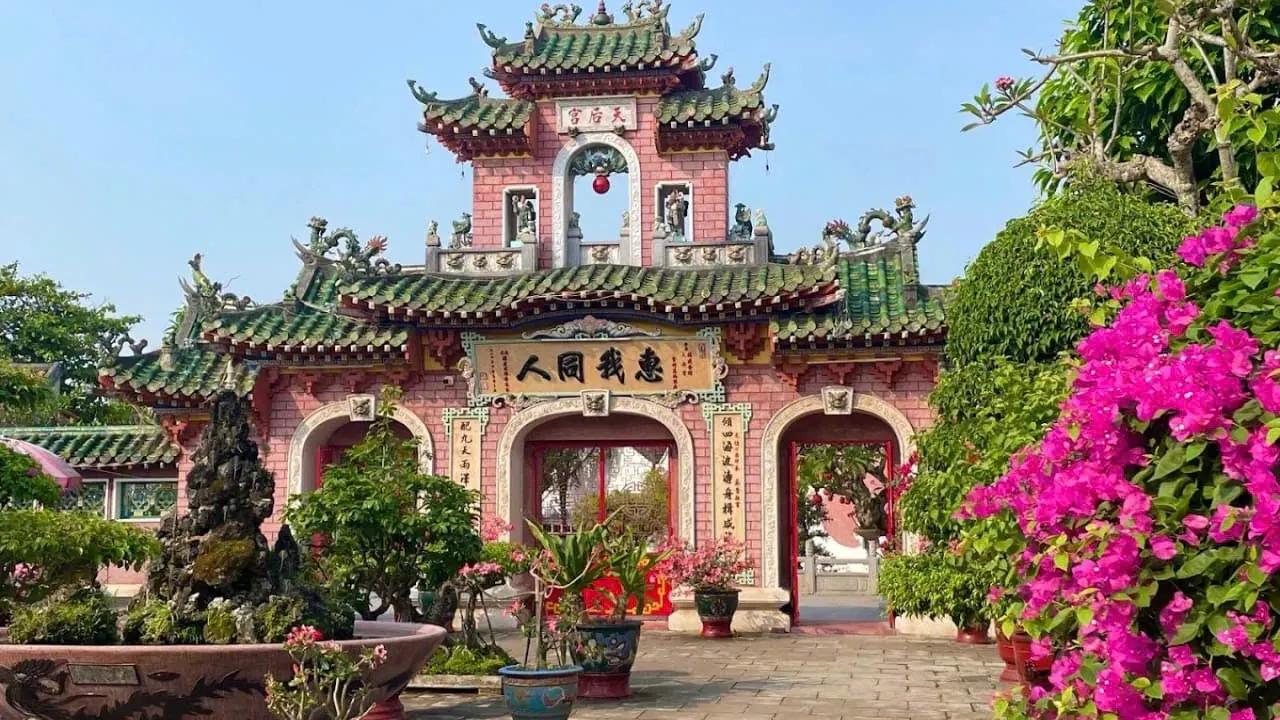
Phuc Kien Assembly Hall (Hội quán Phúc Kiến), also called the Fujian Assembly Hall, is at 46 Tran Phu Street in Hoi An Ancient Town, a few minutes' walk from the central market. It is open every day from 7:00 to 17:00. There is no separate ticket: entry is on the Hoi An Ancient Town ticket, which costs 120,000 VND for international visitors. Most people spend 20 to 30 minutes inside.
- Address: 46 Tran Phu Street, Hoi An Ancient Town
- Opening hours: 7:00 to 17:00, every day
- Ticket: included in the Hoi An Ancient Town ticket, 120,000 VND for international visitors
- Time needed: 20 to 30 minutes
- Built: 1697, rebuilt in brick and tile in 1757
- Dedicated to: Thien Hau (Mazu), goddess of the sea
Checked in September 2026 against the Da Nang city tourism portal. Old Town prices and hours do change, so if one of these details decides your plans, ask Tom on WhatsApp before you go.
What is Phuc Kien Assembly Hall?
Assembly halls were the clubhouses and temples of Hoi An's Chinese trading communities, each one built by merchants from a single region of China. Phuc Kien belongs to families from Fujian province. They bought an older temple on this site in 1697 and rebuilt it in brick and tile in 1757, when it took its present name. It is the largest of the Old Town's five Chinese assembly halls, and it was listed as a national historical and cultural monument in 1990.
The main hall is dedicated to Thien Hau, the sea goddess who protects sailors and traders, a natural patron for merchants who arrived by boat. The hall also honours the founders of the six Fujian families who settled in Hoi An, and keeps an altar to the Twelve Midwives, where couples come to pray for a child.
Where is Phuc Kien Assembly Hall?
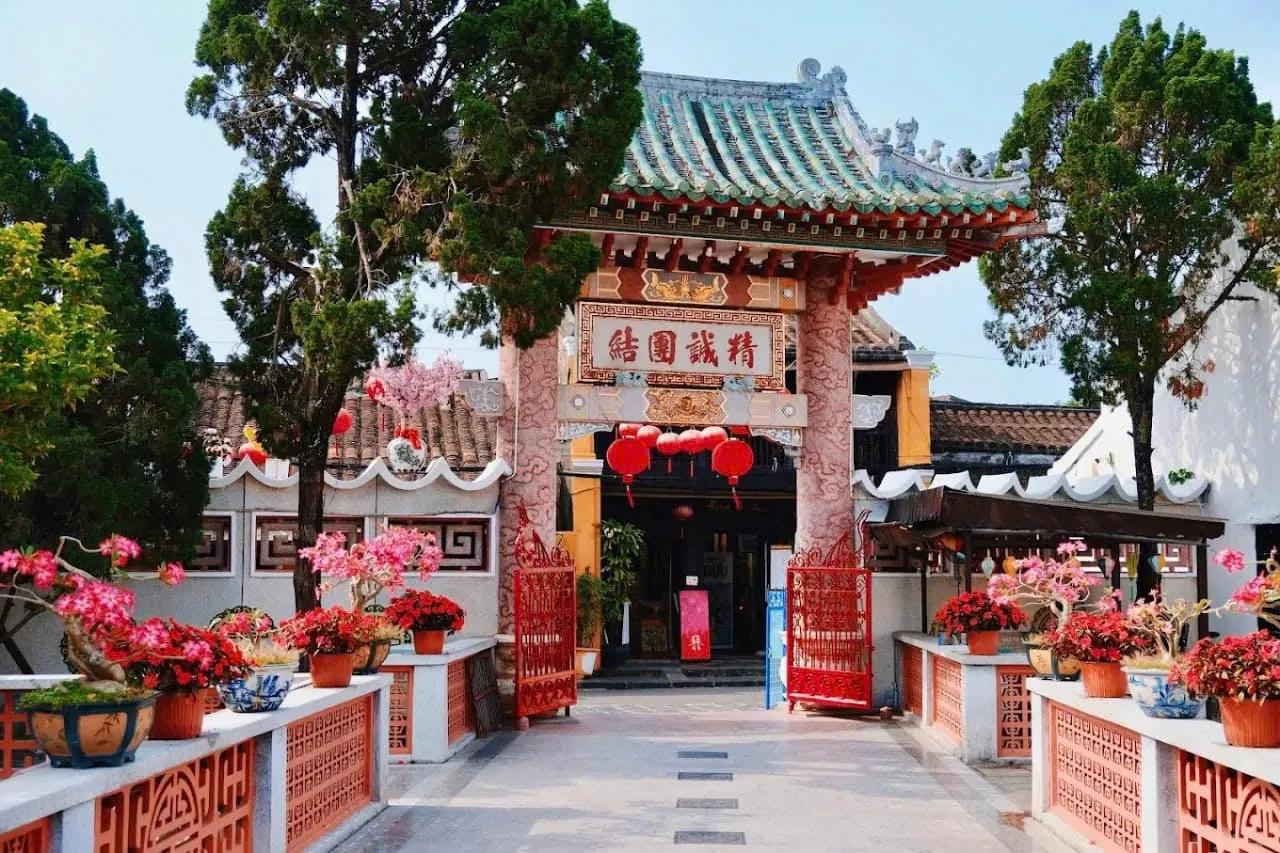
The hall is at 46 Tran Phu Street, on the Old Town's main street, which runs parallel to the river. It sits between the Japanese Covered Bridge and the central market, closer to the market end.
Since 2025, Hoi An has been part of Da Nang City, so newer listings give the address as Hoi An Ward, Da Nang. Older listings use the ward and province names from before the merger with Quang Nam. It is the same building.
How do you get there?
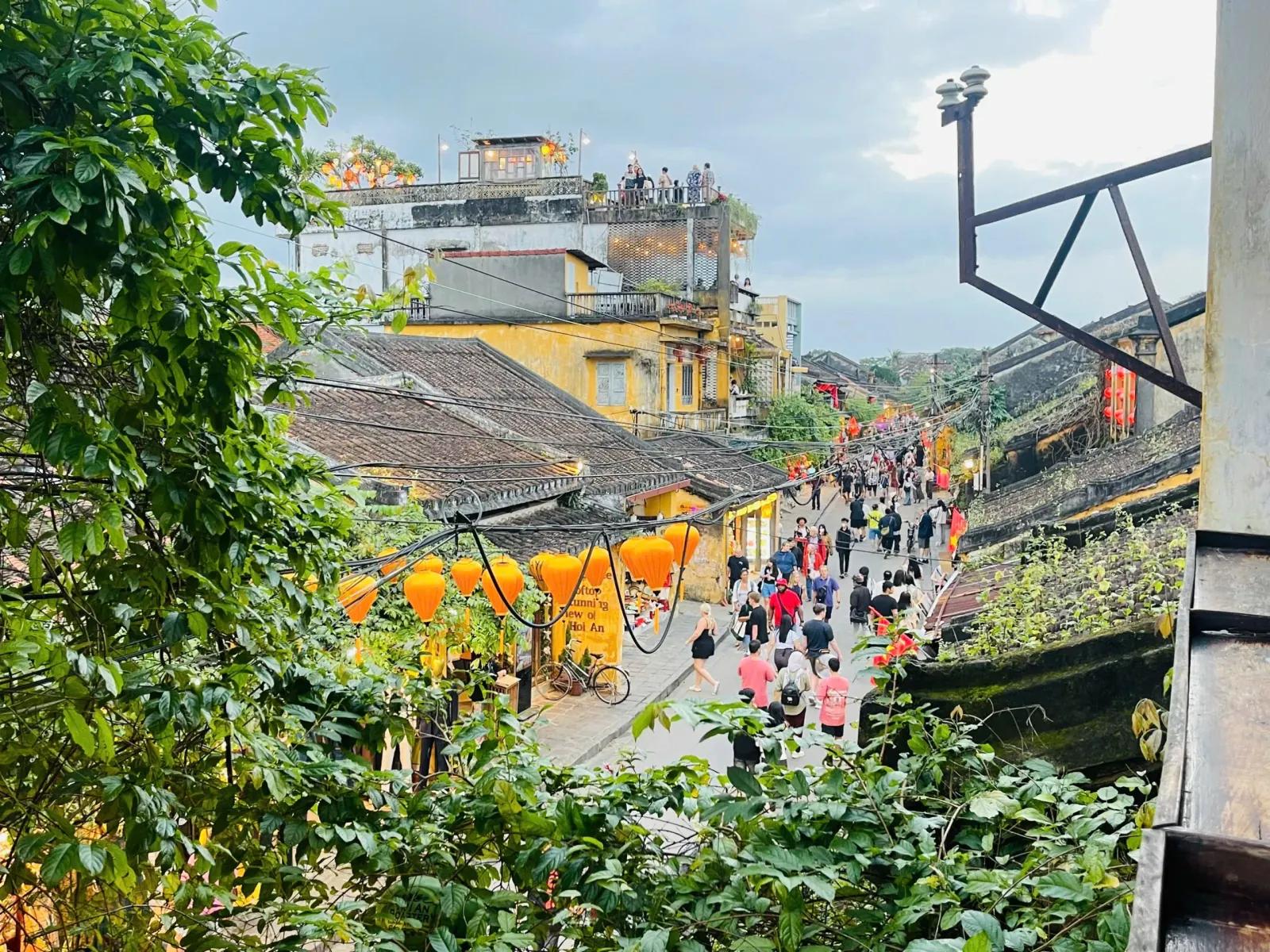
On foot. The Old Town's central streets are closed to cars and motorbikes during pedestrian hours (9:00 to 21:30 in summer, 9:00 to 21:00 in winter), and the hall is in the middle of the walkable area.
- Walking: the easiest way if you are staying in or near the Old Town.
- By bicycle: handy from further out; leave the bike at the edge of the pedestrian zone and walk the last stretch.
- With a guide: worth it if you want to know what you are looking at, not just where it is.
Most people fit it into a walk past the Japanese Covered Bridge, the old merchant houses and the market. A private Hoi An Ancient Town walking tour can build that route around your pace.
Do you need a ticket for Phuc Kien Assembly Hall?
Yes, but not one of its own. Phuc Kien is one of the heritage sites covered by the Hoi An Ancient Town ticket, which costs 120,000 VND for international visitors. One ticket gets you into several sites, and the hall counts as one of them. You buy it from one of the Old Town ticket booths.
Walking the streets is free; the ticket is for going inside the old buildings. In 2026 the Da Nang tourism portal began describing a revised ticket that stays valid for up to three days, so ask at the booth how many sites yours covers.
What time does Phuc Kien Assembly Hall open?
Every day from 7:00 to 17:00, the hours the Da Nang city tourism portal gives. Plan it as a daytime stop rather than part of an evening lantern walk.
When is the best time to visit?
Early. In the first couple of hours after opening, the courtyards are quiet, the incense smoke catches the low sun, and you are ahead of most tour groups. Late afternoon, an hour or so before closing, is the next best time. Midday is the hottest and busiest part of the day.
What to look for inside
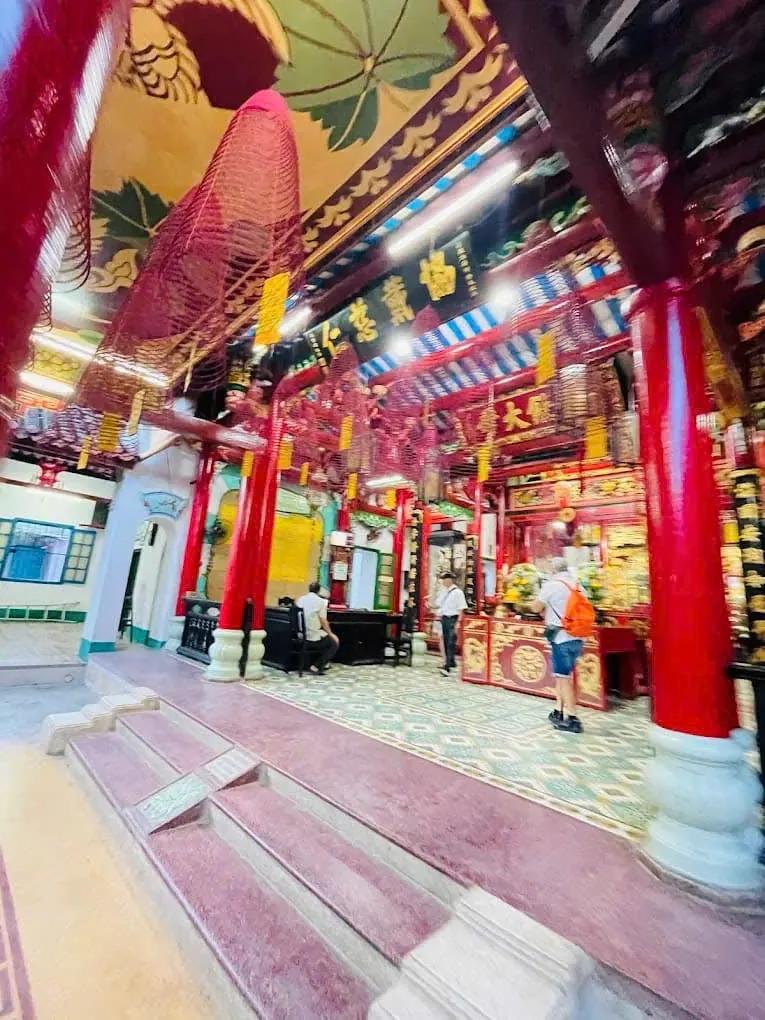
The hall is laid out as a line of gates, courtyards and halls, one behind the other. Walk it front to back:
- The triple gate facing Tran Phu Street, the view most people photograph.
- The roof ridges, with dragons picked out in ceramic mosaic.
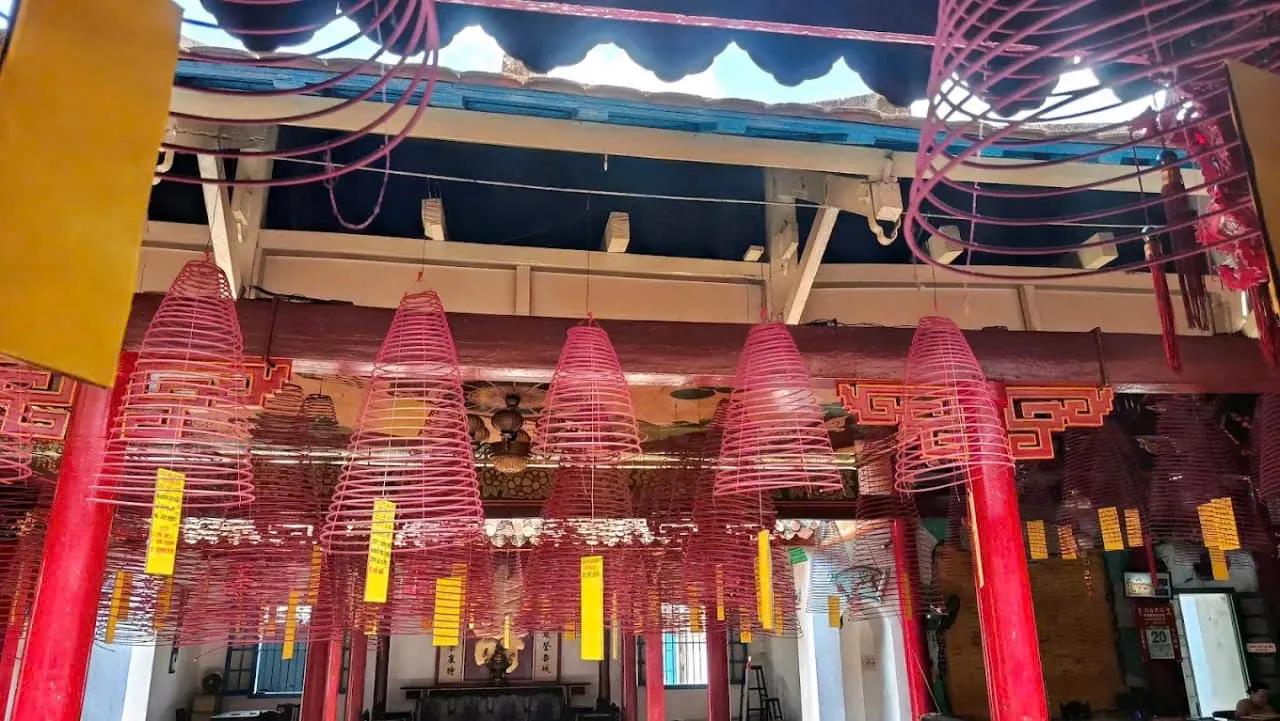
- The courtyard, where giant incense coils hang from the beams. Each carries a card with a family's prayers and burns for weeks.
- The main altar to Thien Hau, the heart of the hall.
- The back hall, with the altars to the six founding families and the Twelve Midwives.
How long does a visit take?
20 to 30 minutes is enough to walk through every courtyard and hall. Allow 45 if you like to take in the carvings and the altars slowly.
Visitor tips and etiquette
It is still a working temple, so a few habits help.
Dress respectfully
Covering shoulders and knees is a good default in Vietnamese temples. Light clothing is fine; a scarf or a long skirt is enough.
Be mindful around altars
People come here to pray, especially at the Twelve Midwives altar. Don't stand in front of an altar while someone is praying, don't touch the offerings, and leave worshippers a clear path to the incense.
Look first, photograph second
Photos are fine in the courtyards. Take a minute to look before you raise the camera, and keep the flash off near the altars.
Is it suitable for families and older travelers?
Yes. The hall is mostly flat, set around open courtyards, and a visit is short. The only obstacles are a few low steps and the raised wooden door sills between the halls, typical of old Chinese temples. They are worth pointing out to small children and anyone unsteady on their feet.
The stories behind the hall
The building is worth more than the twenty minutes most people give it, because almost every part of it was built around a specific worry. These are community traditions rather than documented history, and they are worth hearing as such.
What stood here before
Local accounts describe the site as formerly Kim Son Pagoda, used by Vietnamese families for Buddhist worship before Fujian merchants bought it in 1697 and rebuilt it as their assembly hall. That sequence comes from community tradition rather than a single documented record, so treat the exact chronology as a traditional account rather than a settled date.
Why a sea goddess
Tradition tells of people from Fujian leaving by boat for Southeast Asia carrying a wooden image of the Holy Mother, believing she protected them from danger at sea and brought them safely to Hoi An. Whether or not every detail holds up, the meaning is clear enough: sea travel was genuinely dangerous, and it created a real demand for spiritual protection. That is why the largest hall in the Old Town is dedicated to a goddess of the sea rather than to a founder or a general.
The two figures beside Thien Hau
Thien Hau does not sit alone. Thien Ly Nhan stands on one side and Thuan Phong Nhi on the other. In local tradition one of them sees trouble at a great distance and the other hears it, and together they help the Holy Mother find and rescue people in danger at sea. Once you know what they are for, the altar stops being decorative and starts looking like a rescue service.
The model sailing boat
On the right side of the main hall stands a model sailing boat, attributed to an artisan from Kim Bong woodcarving village across the river. There is more than one explanation for it: some connect it directly with the Fujian migration, others with a particular merchant's rescue at sea. Both versions are still told, and keeping both is more honest than picking one.
Why there is a courtyard in the middle
The courtyard between the main hall and the rear sanctuary is not only ornamental. It is the standard Chinese solution for bringing daylight and air into a deep building with few windows, and it is the same logic you will see in Hoi An's old merchant houses. The hall is a useful place to notice it, because here the courtyard is large enough to read at a glance.
Taken together, the altars cover most of what a merchant family actually worried about: getting home alive, having children, remembering the dead and staying solvent. That is a more useful way to read the hall than filing the whole thing under luck or superstition.
Map
Map loads as you scroll down
Frequently asked questions
Where is Phuc Kien Assembly Hall in Hoi An?+
At 46 Tran Phu Street in Hoi An Ancient Town, on the Old Town's main street, a few minutes' walk from the central market.
Do you need a ticket for Phuc Kien Assembly Hall?+
Yes. There is no separate ticket: entry is on the Hoi An Ancient Town ticket, which costs 120,000 VND for international visitors and also covers other heritage sites. Buy it at an Old Town ticket booth.
What are the opening hours of Phuc Kien Assembly Hall?+
It is open every day from 7:00 to 17:00. It is a daytime visit rather than part of the evening lantern walk.
How long does it take to visit Phuc Kien Assembly Hall?+
20 to 30 minutes for most people, or about 45 if you like to take in the carvings and altars slowly.
Who is worshipped at Phuc Kien Assembly Hall?+
Thien Hau (Mazu), the Chinese goddess of the sea and protector of sailors and merchants. The hall also has altars to the six Fujian families who founded it and to the Twelve Midwives, where couples pray for a child.
What is the best time to visit Phuc Kien Assembly Hall?+
Early morning, soon after it opens at 7:00, before most tour groups arrive. Late afternoon, an hour or so before closing, is the next best time.