
Travel guide
Hai Van Pass and the Views I Have Never Forgotten

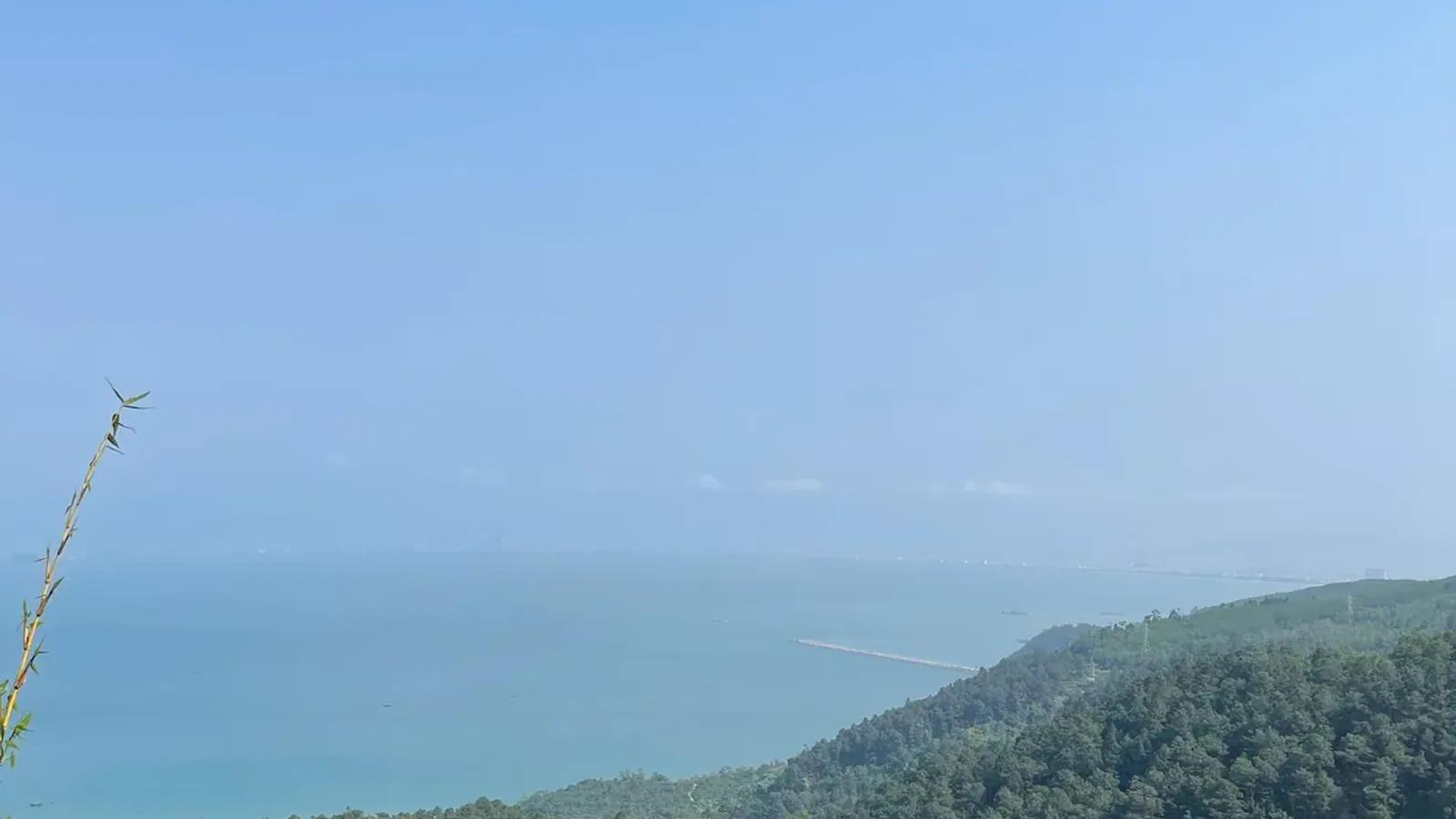
Some journeys stay with me because of a few clear images. On Hai Van Pass, I remember pine trees in front of me, the sea and beach around Lang Van below, and the wide view towards Da Nang city and its bay. Those are unforgettable memories of a place where the scale of the landscape becomes part of the experience.
When I think of the words Thien ha de nhat hung quan, often translated as the most magnificent pass under heaven, I connect them with that feeling of looking out across land and water. The phrase carries a historical meaning, but for me it also recalls something personal: a view I still want to share carefully, without rushing through it.
A sequence of views rather than one photograph
Hai Van follows a mountain divide between Da Nang and Hue. The name evokes sea and cloud, an appropriate starting point for a road whose character changes with visibility. An open panorama and a cloud-covered slope are different versions of the same journey.
My memory brings together several impressions, rather than a promise that one stopping place contains everything. The pine trees, the coastline at Lang Van and the city beyond the bay belong to the way I remember travelling through this landscape. What a visitor sees depends on the viewpoint, the weather and the direction of travel.
Looking down towards the water also changes your understanding of Da Nang. From the city, the mountains can feel like a distant edge. From the pass, the harbour and urban area become parts of a larger geographical setting. That shift in perspective is one of the reasons to give this journey time.
What Hai Van Quan adds to the experience
Near the summit, Hai Van Quan introduces the history behind the scenery. The Nguyen-era fortified gateway was constructed in 1826 under Emperor Minh Mang. Its position helped control an important north-south route and the approaches towards the imperial capital at Hue.
Nguyen Dac Xuan's discussion in 700 Years of Thuan Hoa, Phu Xuan and Hue describes a defensive complex, rather than an isolated decorative gate. Thinking about walls, guarded passages and the movement of people makes the site easier to understand. A beautiful viewpoint was also a place where terrain could shape power and security.
The famous inscription should be read in that setting. It expresses admiration for a formidable landscape. Stories connecting the phrase to earlier rulers belong to the site's historical tradition; they should not all be treated as equally documented construction history.
Remembering Lang Van without promising access
The coastline around Lang Van is part of my memory of the pass. A distant view, however, is different from a visit to the beach itself. Development, local access arrangements and conditions can change, so an older account of walking down to the shore should not automatically become present-day travel advice.
For this experience, the important connection is between the elevated road and the coast below. Enjoy the view from an appropriate stopping place. If you want to visit a particular beach or settlement, check the current access separately before building it into your day.
How to give the pass enough time
A good plan allows for pauses without requiring a clear photograph at every turn. Check the weather shortly before leaving, agree on suitable stops with your driver and avoid turning a narrow road shoulder into an improvised viewpoint. If you are unfamiliar with mountain riding, a vehicle with an experienced driver lets you concentrate on the scenery.
Bring a layer for changing conditions and keep the day flexible. Heavy rain or poor visibility can make another route more sensible. Choosing the tunnel for transport and returning for the scenery on a better day may preserve the enjoyment of both journeys.
The memory I want visitors to take away
I do not need every guest to remember Hai Van exactly as I do. My pine trees, the sea below and the city across the bay are my own starting points. What matters is allowing enough attention for a visitor to notice something that becomes theirs.
If Hai Van is part of your journey between Da Nang and Hue, tell Tommy whether you are most interested in the landscape, photography or the history of the pass. We can use that interest to shape a thoughtful route.
Frequently asked questions
What does Thien ha de nhat hung quan mean?+
It is commonly rendered as the most magnificent pass under heaven. At Hai Van, the phrase connects admiration for the scenery with the strategic importance of the gateway.
Will I see Lang Van and the whole city from every viewpoint?+
No. Views vary with your stopping place and visibility. Tommy's account combines memories of the journey, not a guaranteed panorama from a single location.
Is the pass road the same as the Hai Van Tunnel?+
No. The tunnel serves through travel, while the mountain road provides the scenic pass experience. Tell your driver which journey you intend to make.