
Travel guide
Da Nang Travel Guide Through History and Local Life

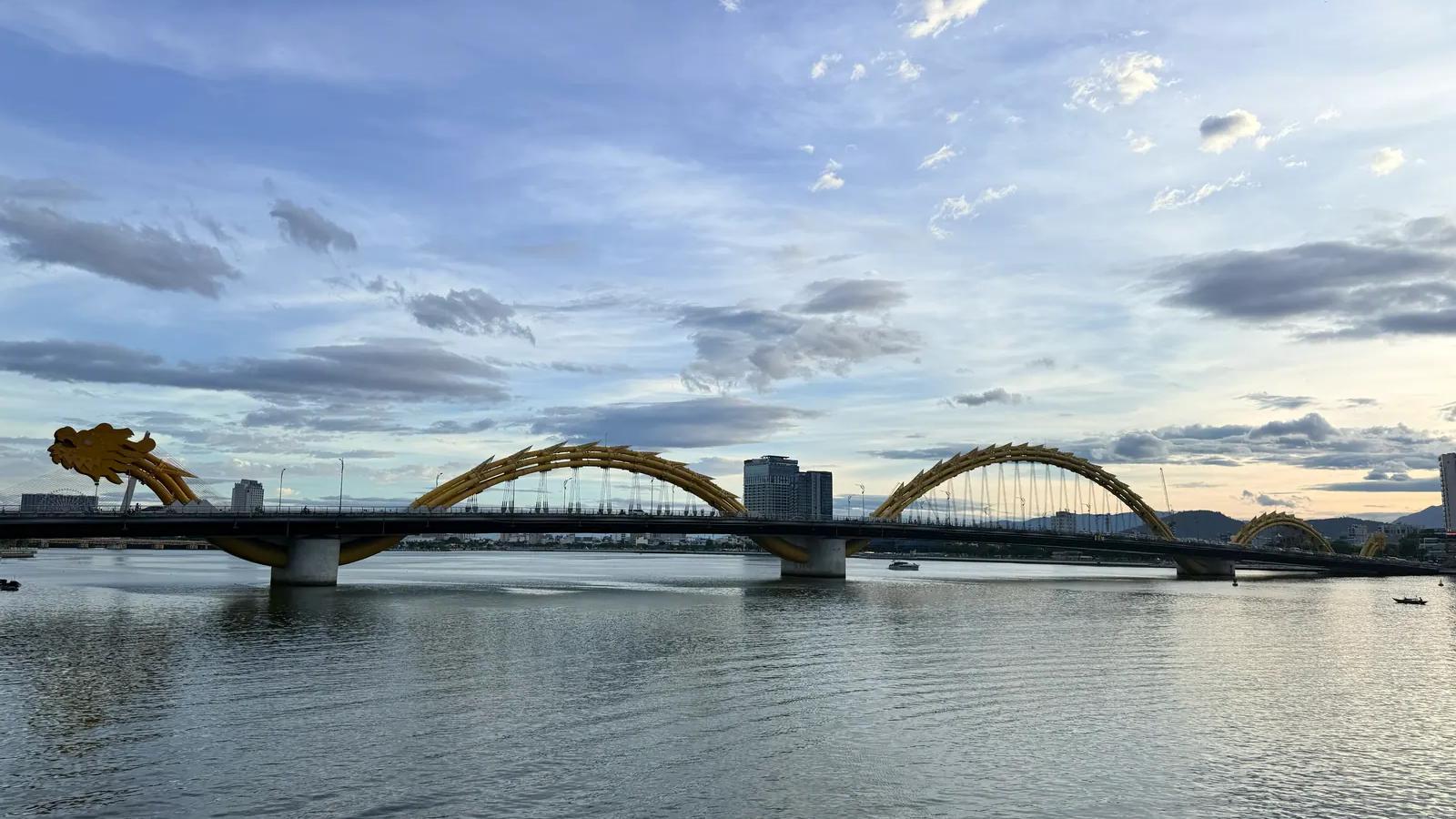
A Da Nang travel guide becomes more useful when it explains how the city fits together. The Han River, the coast, Son Tra Peninsula and the mountains to the north are connected parts of a landscape that has shaped transport, livelihoods and the way people experience this part of Central Vietnam. Start with those relationships and choosing an itinerary becomes easier.
I am Tommy, a guide born and raised in Hoi An, with an official guiding licence since 2019. My interest in Central Vietnam begins with the people who live here and the landscapes that support their work. For visitors to Da Nang, that means leaving room for observation as well as famous attractions.
How the harbour shaped the city
Da Nang developed over time through settlement, maritime exchange and urban expansion. Its history belongs within a wider regional story that includes Champa, Vietnamese communities, the trading networks around Hoi An and the Nguyen court in Hue. No single founding date explains all those layers.
The harbour gained greater importance as shipping and trade changed. In 1835, Emperor Minh Mang directed Western trading vessels towards the Han estuary. That policy strengthened Da Nang's commercial role. The shift in regional trade was gradual, involving maritime access, government decisions and changing transport needs.
The city also witnessed the French-Spanish attack in 1858 and the resistance that followed. Later, the colonial name Tourane became part of its urban history. Remembering these different periods helps avoid presenting Da Nang as a city whose story began with its modern bridges.
Which Da Nang does this guide describe
Da Nang became a centrally governed municipality in 1997. A further administrative change in 2025 merged the former city and Quang Nam province into a larger municipality. This guide concentrates on the familiar coastal urban area, with trips to Hai Van, Son Tra, the Marble Mountains and Ba Na Hills. Hoi An remains a distinct visitor destination within that wider geography.
Read the landscape before filling the day
On a clear day, Hai Van gives a broad view of mountain slopes and the bay. Son Tra offers another perspective, with forest beside the sea. The Marble Mountains bring visitors into a more intimate setting of stone passages, pagodas and caves. Each place asks for a different pace.
Choose Hai Van if the journey and changing viewpoints interest you. Choose the Marble Mountains if you want to look closely at the relationship between landscape and worship. Choose Son Tra for a combination of coastal views, the Linh Ung pagoda setting and an introduction to forest conservation. None needs to become a hurried stop on a checklist.
Meet the city at ground level
A riverfront walk can reveal things that a panoramic viewpoint cannot. Notice where people sit, how bridges carry daily traffic and how the waterfront changes as the temperature falls. At My Khe, the shoreline is both a visitor attraction and a place for ordinary recreation.
If you enter a market or a workshop, begin by looking at the work taking place. Ask permission before photographing someone closely. A question about a material, an ingredient or a tool is often a better opening than immediately asking for a portrait. Everyday culture becomes easier to understand when people have space to explain it themselves.
Build an itinerary around one interest
For a culture-focused day, consider the Marble Mountains and time in the city, with a riverside evening. For a landscape-focused outing, give Hai Van enough time for legal stopping places and changing visibility. Ba Na Hills is an organised resort visit and deserves its own substantial part of the day rather than an uncertain gap between distant attractions.
Travel time depends on your accommodation, traffic and the route. A driver and guide can help adapt the plan, but even a private tour works better when it has room for a meal, a rest and an unplanned conversation.
Continue exploring with Tommy
Read the detailed guides to Hai Van Pass, Son Tra, the Marble Mountains and the Han River, then tell Tommy which parts of Da Nang interest you most. A useful itinerary begins with that answer and follows a pace that suits your group.
Frequently asked questions
Is Da Nang only a beach destination?+
No. The coast sits alongside port history, religious sites, mountain scenery and urban life. Choose the combination that matches your interests.
Can I see every major attraction in one day?+
That would involve substantial travel and little time at each stop. A smaller group of nearby attractions usually makes a more satisfying day.
Is Hoi An the same place as central Da Nang?+
No. They are distinct visitor destinations, even though both are now within the expanded Da Nang municipality. Plan transfers between them.