
Travel guide
Hoi An Ancient Town: More Than a Beautiful Old Town

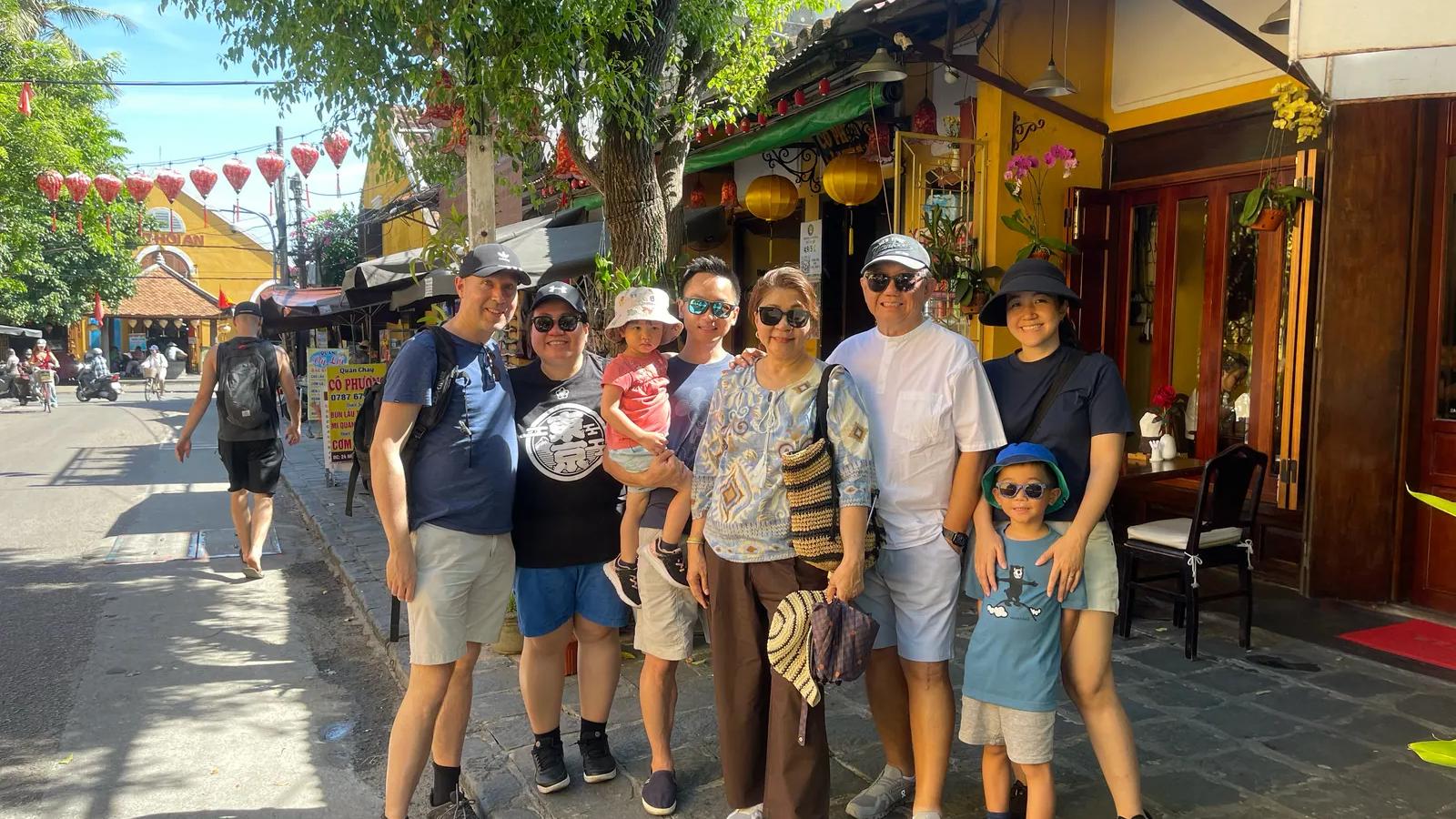
For many first-time visitors, Hoi An is a town of yellow walls, wooden houses, lanterns and peaceful streets. But these are only the most visible layers of a deeper story. The town developed through trade, migration, religion, family life and cultural exchange. Its old houses, assembly halls, temples and Japanese Covered Bridge still show how Vietnamese, Chinese, Japanese and wider international influences met in one compact riverside town. To understand Hoi An well, it helps to stop seeing it as a collection of attractions and start seeing it as a living urban story.
From Riverside Settlement to Trading Town
Hoi An sits beside the Thu Bon River, and the town developed strongly in the 16th and 17th centuries. Trading ships from different countries came for commercial activity, helping turn Hoi An into one of the busy commercial ports of Central Vietnam.
Trade brought more than goods. Merchants brought languages, religious practices, architectural ideas and community institutions. Over time, these influences became part of the town itself rather than temporary foreign additions.
A Cultural Crossroads
Chinese and Japanese influence remains especially visible in Hoi An. Assembly halls, temples, shrines and decorative roofs reveal the strong presence of Chinese communities, while the Japanese Covered Bridge remains one of the most recognizable symbols of the town.
The value of Hoi An is not that these traditions remained completely separate. They existed next to Vietnamese family houses, ancestor worship, local crafts and everyday street life. That mixture is one of the reasons the Ancient Town feels distinctive.
Architecture Built for Real Life
Hoi An's old streets are lined with wooden houses containing frames, pillars, rafters and beams. Many historic houses were not simply residences. They were places where families lived, traded, stored goods and worshipped ancestors.
Traditional courtyards brought air and light into deep interiors. Roofs protected the buildings from tropical weather. Shopfronts opened directly toward the commercial street. Architecture followed the needs of daily life.
Why Hoi An Is a Living Museum
Hoi An is often described as a living museum of culture and architecture. That phrase is useful because the town is not only about preserved buildings. People continue to live, worship, work, cook, trade and meet inside the same urban environment.
Heritage therefore exists in relationships: between a family and its old house, between merchants and an assembly hall, between a street and the shops that open onto it, and between the town and the river beside it.
UNESCO Recognition and Preservation
Hoi An was recognized as a World Cultural Heritage site on 4 December 1999. Its importance comes from the broader historic environment rather than one single monument.
Old houses, religious buildings, assembly halls, streets and cultural activities work together. Preserving Hoi An therefore means protecting not only architecture but also the character and local life connected to it.
A Local Way to Experience Hoi An
A good visit does not need to be rushed. Look upward at the roofs. Step inside an old merchant house. Notice the courtyard and family altar. Spend time inside an assembly hall rather than photographing only the gate. Walk toward the river and think about why trade developed here.
For Tommy, the strongest local memories also come from quieter moments: early mornings near the Japanese Covered Bridge, the Hoai River, Bach Dang Street and journeys toward Cam Kim. Those experiences remind us that Hoi An is a hometown before it is a tourism product.
This is the difference between seeing Hoi An and understanding it. Childhood memories of quiet mornings near Chua Cau, the Hoai River and the route toward Cam Kim show that the town has different rhythms beyond the busiest tourist hours. Adding those lived experiences to historical information gives visitors a more complete picture of Hoi An as both heritage and hometown.
Why Local Context Changes the Experience
Local context also helps visitors notice what a standard sightseeing list often misses. An old doorway may still open into a working shop. Incense may still be burning at an altar. A courtyard may still provide air and light in the same way it did for earlier generations. Street food, coffee and family routines continue beside heritage buildings.
When these elements are viewed together, Hoi An becomes easier to understand as one urban system rather than a group of separate attractions.
What to Look For on a Slow Walk
A slow walk through Hoi An is more useful than a fast checklist because the town's story sits in the connections between places. Start by noticing the rhythm of the street: narrow façades, deep interiors, wooden frames and roofs sitting close together. Then compare a merchant house with an assembly hall. One was shaped strongly by family and business life; the other helped a community organize worship, meetings and mutual support. The Japanese Covered Bridge adds another layer, showing how the memory of foreign merchant communities became part of the town's identity.
Continue toward the river and look back at the streets. The water helps explain why trade developed here in the first place.
Final Thoughts
Hoi An is beautiful because many layers of history remain visible in a small area. But its deeper value is the connection between those layers: trade, migration, architecture, belief and daily life. When visitors understand those relationships, the Ancient Town becomes more than a scenic background. It becomes a place that can still explain how people lived and why the town developed the way it did.
Discover Hoi An beyond the famous landmarks. Explore the Ancient Town through its trading history, architecture, local traditions and everyday stories with a local guide.
Frequently asked questions
Why is Hoi An Ancient Town famous?+
It is known for its preserved historic streets, merchant houses, assembly halls, temples, the Japanese Covered Bridge and a multicultural heritage shaped by centuries of trade.
When did Hoi An become an important trading town?+
Hoi An developed strongly during the 16th and 17th centuries as an important commercial port in Central Vietnam.
When was Hoi An recognized by UNESCO?+
Hoi An was recognized as a World Cultural Heritage site on 4 December 1999.
Why is Hoi An called a living museum?+
Because historic architecture remains connected with everyday life, including family homes, shops, worship and local cultural practices.
What is the best way to explore Hoi An?+
Walking slowly is one of the best ways to connect the old houses, assembly halls, bridge, streets and river into one historical story.
Is Hoi An only worth visiting at night?+
No. Daylight is better for observing architecture, while evening offers lanterns, food and a different street atmosphere. Both are valuable.