
Travel guide
Thu Bon River: Understanding Hoi An Through the Water

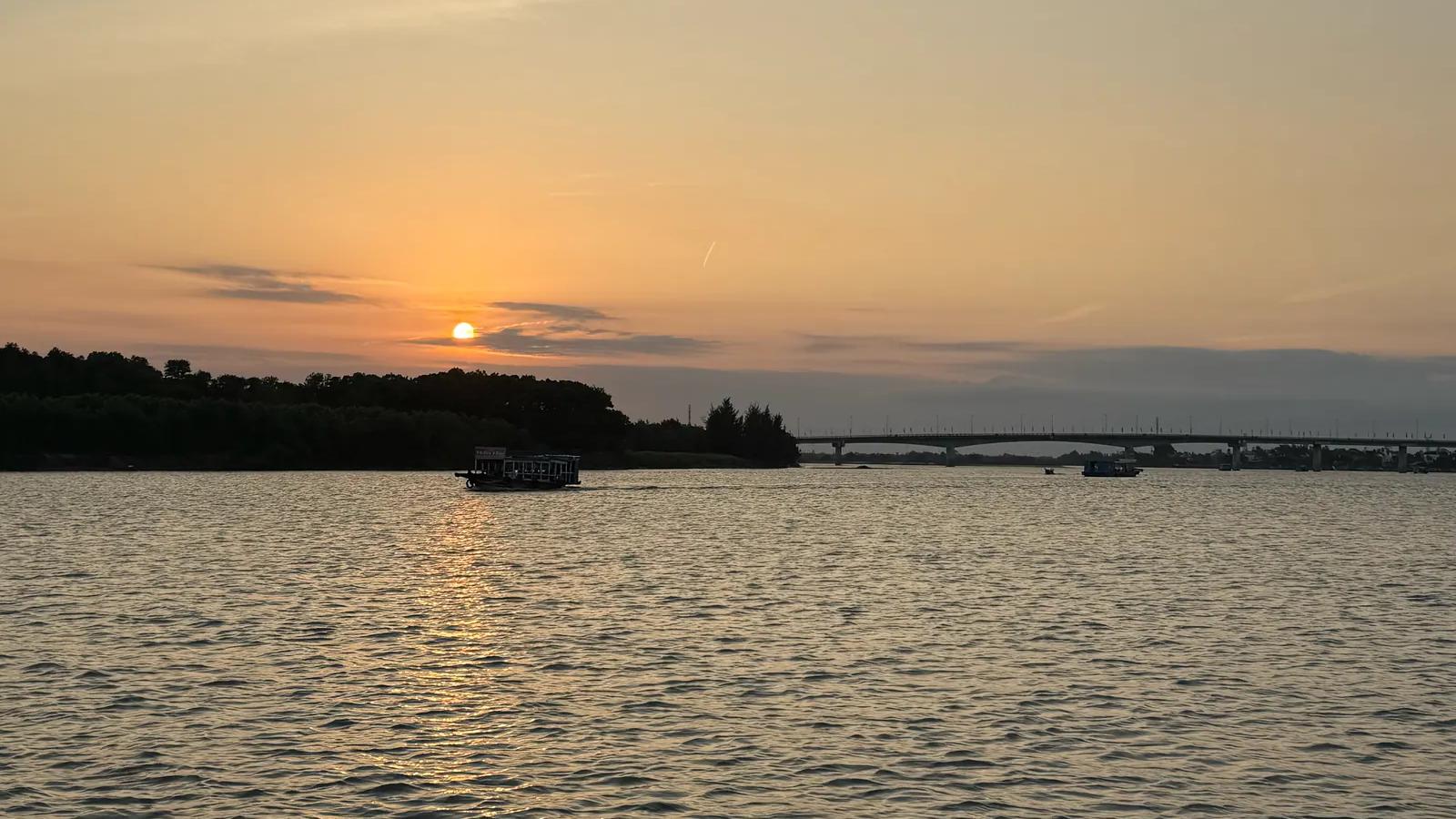
The Thu Bon River is one of the most peaceful visual elements of Hoi An today, but historically water was not only scenery. The Ancient Town sits on the banks of the Thu Bon River and grew into a major commercial port. The relationship between town and river helps explain trade, movement, settlement and the development of multicultural communities. Looking at the water through this historical lens changes the way visitors understand the entire town.
Why a River Matters to a Trading Town
Rivers support movement. They connect inland areas with the coast and allow goods, people and information to circulate.
In Hoi An, the riverfront should therefore be understood as part of the town's commercial geography, not simply a scenic edge.
Trade Brought Cultural Contact
Hoi An received trading ships from many countries and became a cultural crossroads. Chinese and Japanese influence remains visible in the built environment.
This means the river helped move more than merchandise. It also helped move beliefs, architectural ideas and community traditions.
River, Hoai and Local Memory
For Tommy, water is also part of personal memory. Bach Dang Street and the Hoai River connect childhood, family, transport, commerce and journeys toward Cam Kim.
This local perspective gives the river story an everyday dimension. Waterways were not only used by international merchants; they also connected local communities.
From Hoi An to Da Nang
Da Nang gradually replaced Hoi An as a commercial port when European shipbuilding improved and larger deep-draught vessels could more easily enter Da Nang Bay.
That change shows how geography and technology can shift regional economic importance.
What Visitors Can Still Read Today
The old trading function has changed, but the river remains physically connected to the historic streets. Walking from merchant houses and assembly halls toward the water helps visitors understand how compact the old urban system was.
The river is therefore one of the best places to pause and connect architecture with geography.
How to Experience the Waterfront with More Context
When walking beside the river, look back toward the old streets rather than focusing only on the water. Imagine how close merchant houses, community buildings and transport routes were to one another. Then think about how the character of the river changes through the day: working space, social space, visitor space and visual landscape.
This kind of observation helps avoid turning the waterfront into a separate attraction. It is better understood as part of the same urban system as the market streets, old houses and assembly halls. The river is one of the threads that ties all of them together.
The River Also Connected Town and Countryside
The commercial story of Hoi An is international, but the river also worked at a local scale. Waterways connected the town with nearby communities, farms, crafts and family routes. Tommy's memories of taking a small ferry toward Cam Kim and then cycling through rice fields show how river movement remained part of ordinary local life long after the great international trading era.
This connection helps broaden the meaning of the waterfront. The river linked merchants with distant markets, but it also linked children with grandparents, craftspeople with customers and countryside communities with the town. A complete river story should include both scales.
Final Thoughts
Hoi An's riverfront is meaningful because it links large-scale history with ordinary local life. International merchants, local boats, family routes and modern visitors all use the same basic landscape in different ways. Understanding the water makes the trading town easier to understand, and understanding the trading town makes the multicultural architecture around it more coherent.
Follow Hoi An's story from its old merchant streets to the Thu Bon River and discover how water, trade and community life shaped the town.
Frequently asked questions
Why is the Thu Bon River important to Hoi An?+
The town developed beside the river, and its location is directly connected with its history as an important commercial port.
Was the river only used for international trade?+
No. Local transport, community connections and everyday river life are also part of the broader story.
How did trade affect Hoi An's culture?+
Trading contacts helped bring Chinese, Japanese and wider international influences into the town.
Why did Da Nang later become a larger port?+
Improved European shipbuilding and the ability of larger vessels to enter Da Nang Bay shifted commercial activity there.
Is the river useful for understanding the Ancient Town?+
Yes. It provides geographical context for why the commercial town developed where it did.