
Travel guide
Hoi An at Night: When the Ancient Town Changes Its Rhythm

Hoi An becomes visually different after sunset. Silk lanterns light the old streets, women sell food from bamboo frames, customers eat and talk, and a slower pace helps visitors step away from hectic modern life. Lanterns are the most famous part of the evening image, but the atmosphere depends on much more: historic architecture, street food, conversation, small shops and the river. Experiencing Hoi An at night is therefore about feeling how the same heritage streets change when light and activity change.
When the Lanterns Come On
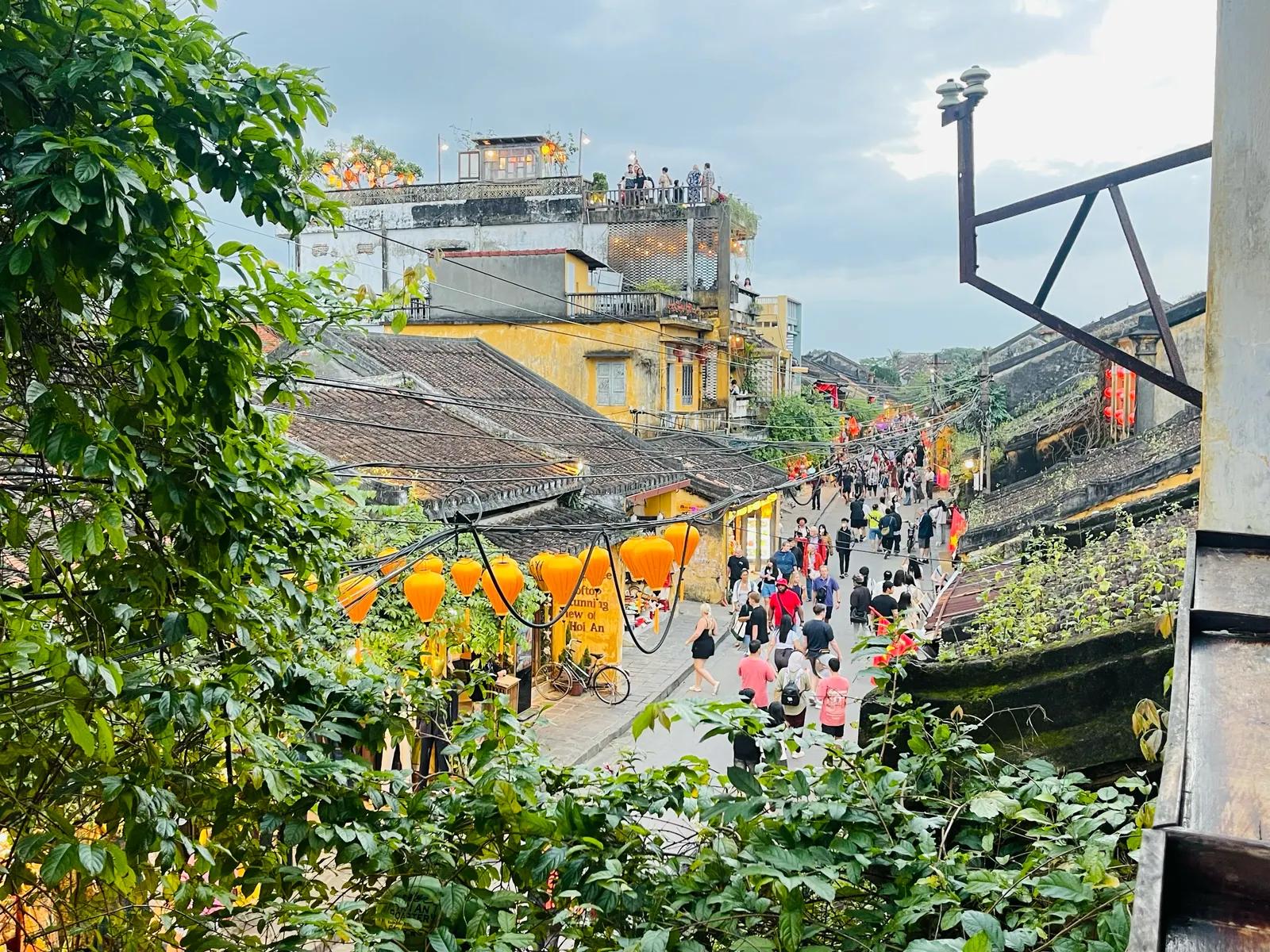
After sunset, hundreds of silk lanterns appear along the old streets. Their light is enough for visitors walking along the sidewalks and gives the town a softer visual character.
Because the historic core is relatively low-rise and intimate, this lighting fits naturally with the scale of the buildings.
Where the Evening Actually Happens
The lantern-lit part of Hoi An is small enough to cross on foot in about twenty minutes, and it is worth knowing which street does what before you set out.
Tran Phu Street
The spine of the Old Town, running parallel to the river one block back. This is where the assembly halls sit, including Phuc Kien at number 46. The halls themselves close in the late afternoon, so by night you are looking at lit gates and roof ridges rather than going inside. If you want to see the interiors of the assembly halls, that is a daytime job.
Nguyen Thai Hoc Street
One block closer to the water, lined with tailors, galleries, lantern shops and converted merchant houses. It tends to be the most densely lit street of the three, and the most crowded between about 19:00 and 21:00.
Bach Dang Street and the riverfront
The waterfront road along the Hoai River, the narrow arm of the Thu Bon that runs past the Old Town. This is where the boats moor, where most of the well-known photographs are taken, and where it is busiest. Walk its full length rather than stopping at the first viewpoint.
An Hoi islet, across the footbridge
Cross the pedestrian bridge from Bach Dang and you reach An Hoi, where the night market runs along Nguyen Hoang Street: lantern stalls, souvenirs and food. The view back toward the Old Town from the middle of that bridge is the one most people are actually looking for.
Nguyen Thi Minh Khai Street
West of the Japanese Covered Bridge, and noticeably quieter than the three streets above. This is where to go when the riverfront becomes too much.
One practical point that changes the whole evening: the central streets are closed to cars and motorbikes during pedestrian hours, roughly 9:00 to 21:30 in summer and 9:00 to 21:00 in winter. Inside those hours you can walk down the middle of the road. Outside them, traffic comes back.
Street Food and Conversation
One of the strongest images of evening Hoi An is not a monument. It is older women sitting beside food-selling bamboo frames while customers eat and talk.
This scene matters because it shows how atmosphere is produced by people. Evening Hoi An is not only architecture illuminated at night; it is social life.
What to Eat After Dark
Several dishes are genuinely local to Hoi An rather than Vietnamese in general, and the evening is the easiest time to find them.
Cao lau: thick, chewy noodles with slices of pork, fresh greens and crisp squares of fried dough. It is the most local dish in town, and tradition ties the noodles to water drawn from the old Ba Le well, which is why you rarely meet it done properly outside Hoi An.
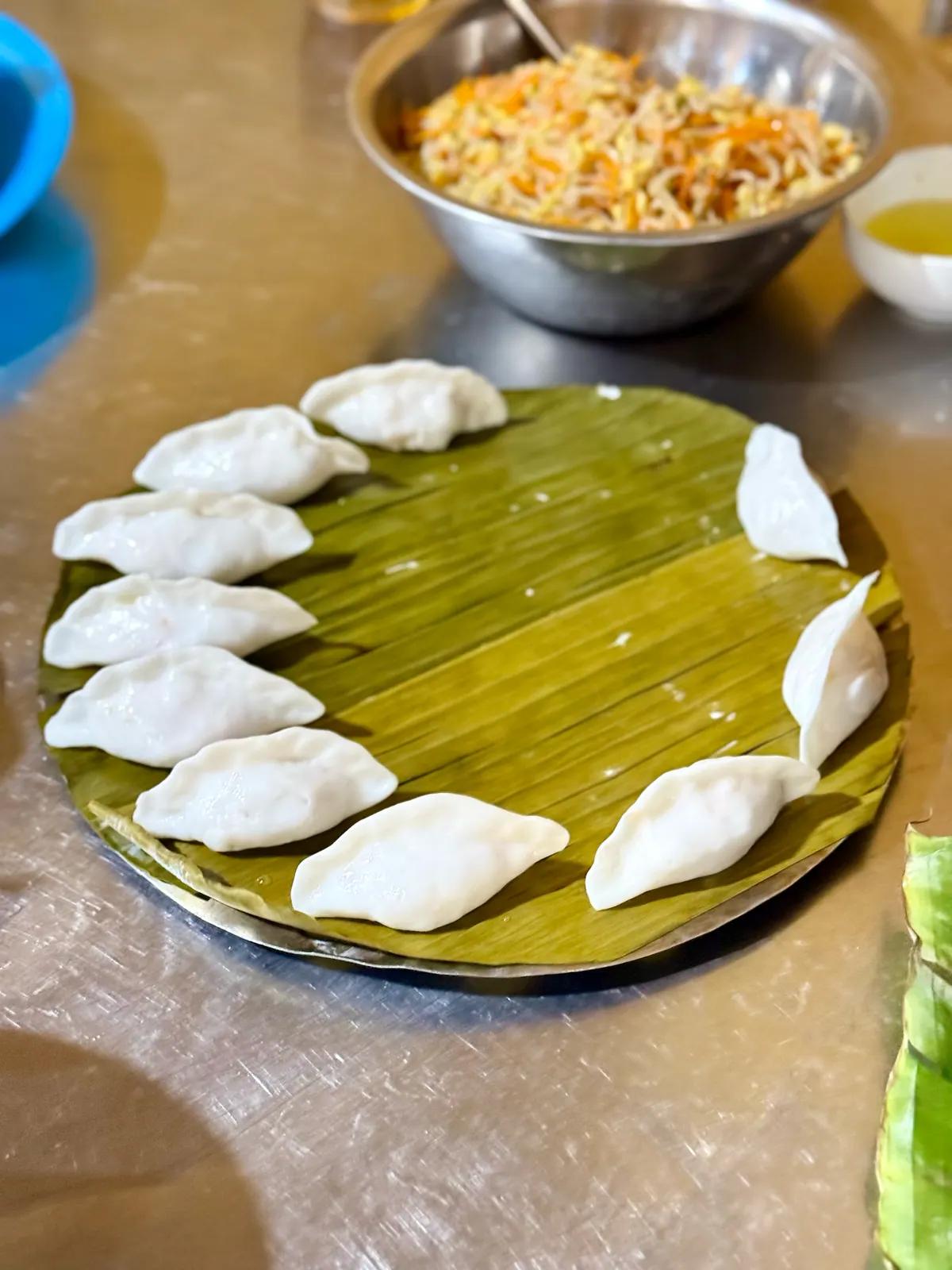
White rose, or banh bao banh vac: translucent steamed shrimp dumplings pinched into a flower shape and scattered with fried shallot. A Hoi An speciality, made by only a small number of families.
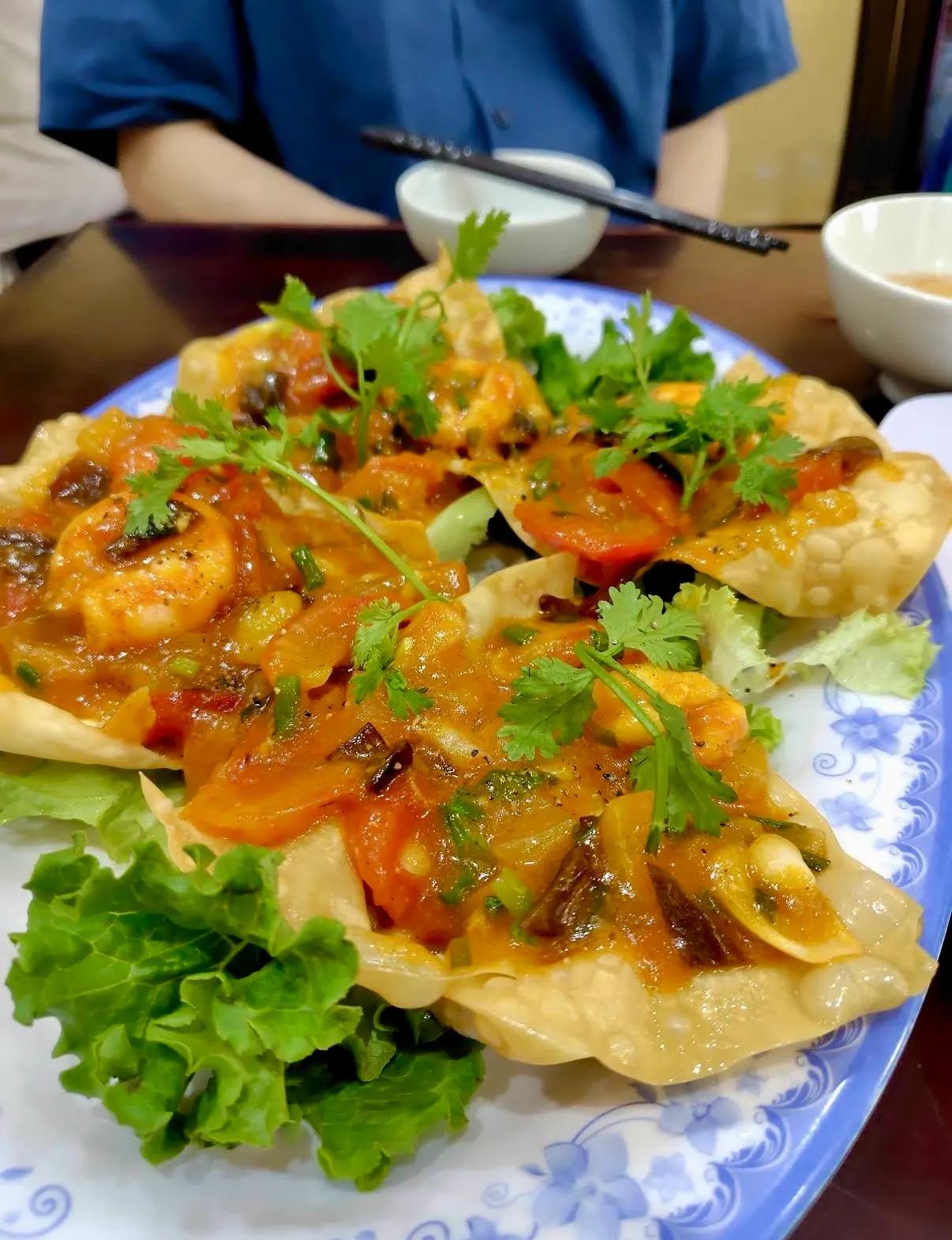
Hoanh thanh: wontons, served fried as a crisp open-faced round with tomato and herbs, or in soup. The fried version is the one Hoi An is known for.
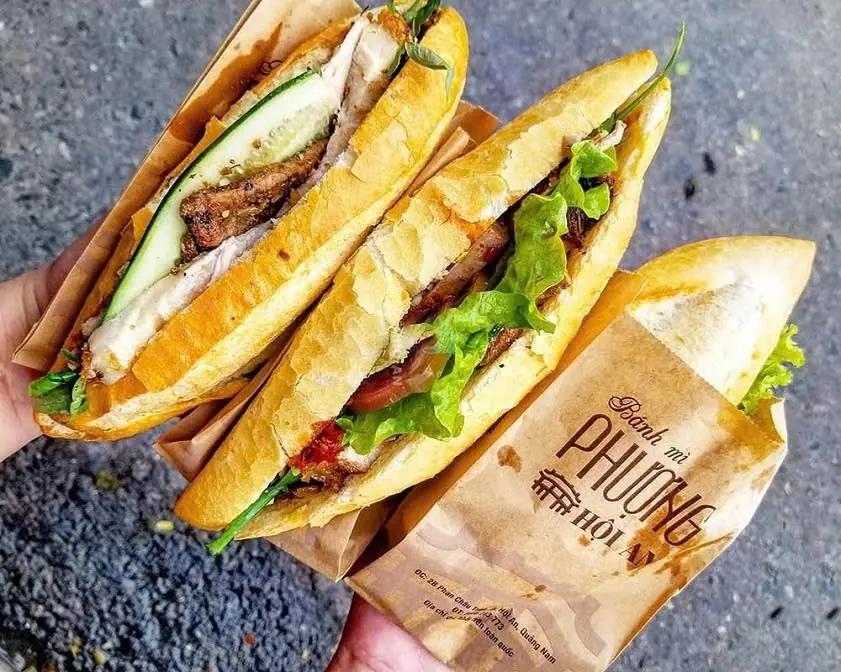
Banh mi: the Vietnamese baguette, and Hoi An's version has a considerable reputation of its own. Easy to eat while walking.
Che: sweet soups of beans, tapioca, corn or lotus seed, served warm or over ice. This is what locals tend to finish an evening with rather than dessert in the Western sense.
Prices on the street move around and are worth agreeing before you sit down, particularly at the busiest riverfront spots. The quieter stalls a street or two back are usually both cheaper and better.
A Slower Sense of Time
The old town can make visitors feel as if they have returned hundreds of years, away from high-rise buildings and neon supermarkets. The pace is slower, and the streets offer a sense of temporary escape from hectic daily concerns.
This is atmosphere rather than literal time travel, but it captures an important emotional quality of the town.
Day and Night Offer Different Experiences
Daylight is better for examining wooden structures, carvings, roof tiles, courtyards and religious details. At night, the same buildings become part of a wider sensory environment of light, food, sound and conversation.
The strongest visit combines both periods rather than choosing one.
The Transition from Afternoon to Evening
The transition itself is worth watching. Shops prepare for the evening, lights begin to appear, the temperature changes and the street rhythm shifts.
Arriving before sunset allows visitors to see the town transform rather than encountering only the final illuminated scene.
Beyond the Famous Photograph
Lantern photography is part of the experience, but the evening offers something broader: walking, watching people eat and talk, noticing street corners and feeling the town slow down.
Visitors who spend some time away from the busiest photo points often understand the evening atmosphere more deeply.

The Lantern Boats and the Floating Candles
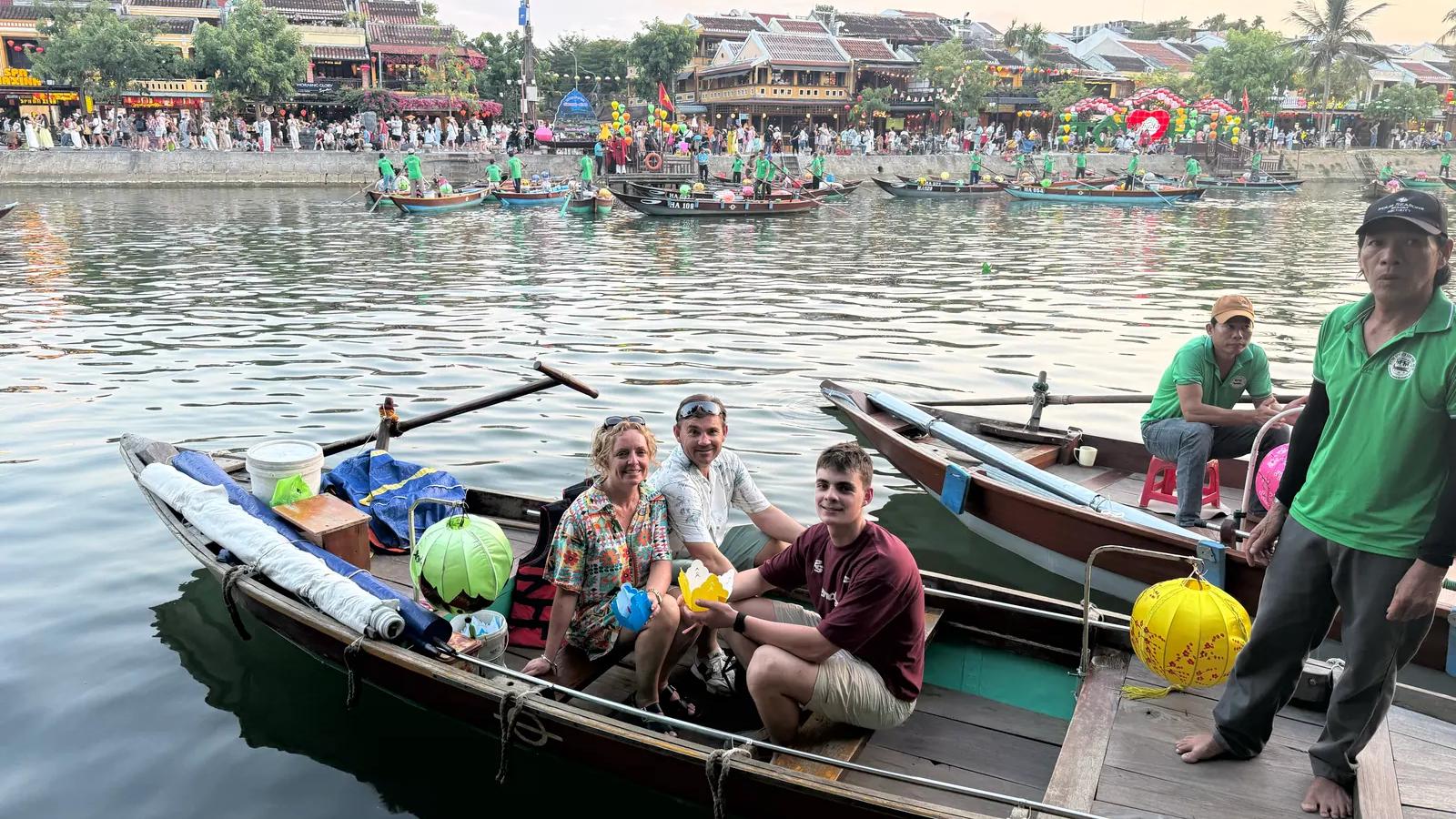
Small wooden rowing boats hung with lanterns work the Hoai River through the evening, taking a handful of passengers at a time on a short loop. Most trips last only fifteen or twenty minutes, so treat it as a short experience rather than a river cruise.
Vendors on the bank and in the boats sell hoa dang, small paper lanterns set around a candle, which people light and float on the water. The custom carries a wish or a prayer with it, often for family members, which is worth knowing before you treat it purely as a photo prop.
Agree the price and the length of the trip before you step into the boat. Rates are not fixed, they rise sharply on busy nights and around the monthly lantern evening, and the quote is usually per boat rather than per person, so it is worth being clear which one you are being told.
Respecting the Town After Dark
Hoi An at night is visually attractive, but it is still a living town. Residents, shopkeepers and worshippers continue to use the same spaces visitors photograph. Being aware of this helps keep the experience respectful.
Avoid blocking doors, family altars or active worship areas for long photo sessions. Give food vendors and small businesses room to work. Listen as much as you photograph. These small habits support a better kind of heritage tourism because they recognize that the evening atmosphere depends on local people continuing their everyday activities.
A Simple Evening Experience
A useful way to experience the evening is to arrive before sunset and stay long enough to watch the change. Begin while there is still daylight so architectural details remain visible. Then notice when lanterns start to appear, when food preparation becomes more active and when the street atmosphere shifts.
Walk through both busy and quieter lanes. Spend time near the river, but also turn back into streets where old houses and small businesses remain visible. This gives a more balanced experience than staying only at the most photographed waterfront points.
Final Thoughts
Hoi An at night is memorable because architecture, light and everyday activity work together. Lanterns create the visual symbol, but local food, conversation and the slower street rhythm give that symbol life. The evening is therefore most meaningful when visitors do not only photograph the town, but also pay attention to how people continue to use it.
See Hoi An beyond the lantern photographs. Walk the old streets and discover the food, people, architecture and local stories behind the evening atmosphere on a Hoi An street food evening tour.
Keep Reading
The same streets read very differently in daylight. See what Hoi An Ancient Town looks like by day, how the old streets carry on their everyday life, and why the Thu Bon River sits at the centre of the evening. If you are still choosing dates, check the best time to visit Hoi An for lantern nights and weather by month. And if you want a local with you after dark, here is how to hire a licensed Hoi An guide.
Frequently asked questions
Why is Hoi An famous at night?+
Lantern-lit old streets, local food activity and a noticeably slower atmosphere after sunset.
Is Hoi An better at night than during the day?+
They offer different experiences. Daylight is better for architectural detail; evening is stronger for atmosphere.
What can I do in Hoi An at night?+
Walk the old streets, observe the lanterns, experience food and street life, and spend time near the river.
Should I arrive before sunset?+
Yes. Arriving earlier lets you see the town change gradually from daylight to evening.
Is Hoi An at night only about lanterns?+
No. Food vendors, customers, conversation and the slower street rhythm matter just as much.