
Travel guide
Best Time to Visit Hoi An, Vietnam: Weather & Monthly Guide

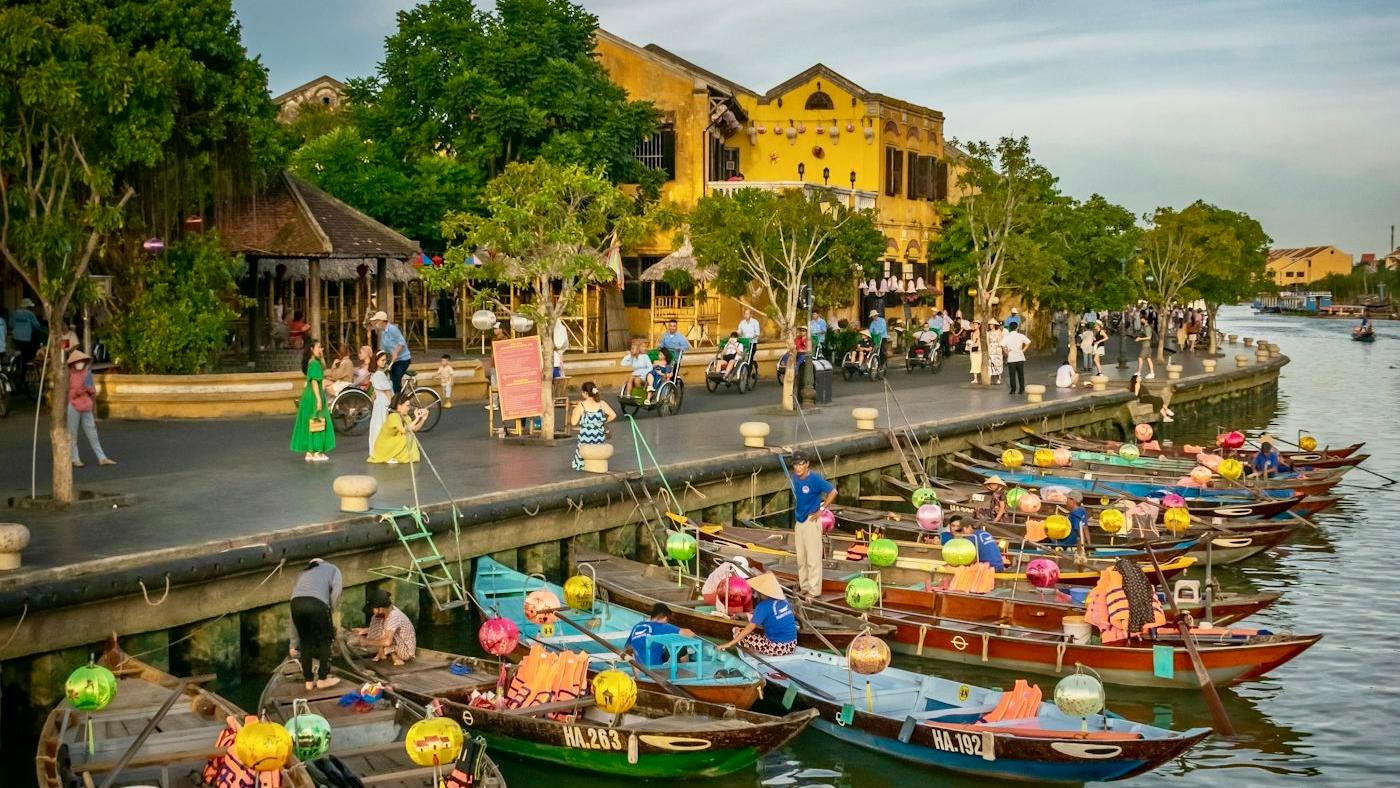
If you are wondering about the best time to visit Hoi An, the short answer is March to May.
During these months, Hoi An usually has warm, comfortable weather with less rain, making it a great time to walk through the Ancient Town, explore the countryside, cycle through rice fields, enjoy local food, and take day trips to places such as My Son Sanctuary.
However, there is no single perfect month for everyone.
Some travelers prefer sunny beach days from May to August. Others enjoy quieter streets and lower-season travel during the rainy months. If experiencing Hoi An’s famous lantern atmosphere is your priority, the lunar calendar may be just as important as the weather.
As a local guide, I often tell visitors that choosing when to visit Hoi An depends on what you want to experience.
This guide explains Hoi An weather by month, the dry and rainy seasons, the best time for different activities, and what you should know before planning your trip.
Quick Answer: When Is the Best Time to Visit Hoi An?
For most first-time visitors, March to May is one of the best periods to visit Hoi An.
The weather is generally warm and suitable for walking, cycling and sightseeing, while the heavier rains of the later wet season have usually passed.
According to Vietnam’s official tourism information, Hoi An’s rainy period generally runs from September to January, while February to August is warmer and generally sunnier. Vietnam Tourism also highlights March to May as the best months for visiting Hoi An.
Best time by travel style
- Best overall weather: March – May
- Explore Ancient Town: February – May
- Cycling in the countryside: March – April
- Visit Tra Que Village: February – May
- Beach days: May – August
- Outdoor photography: March – April
- Lantern evenings: Any month, check lunar calendar
- Fewer tourists: September – January
- Cooler weather: December – February
- Avoid heavy rain and flooding: February – August
Remember that weather patterns are not guaranteed. Tropical weather can change quickly, so always check the forecast close to your travel dates.
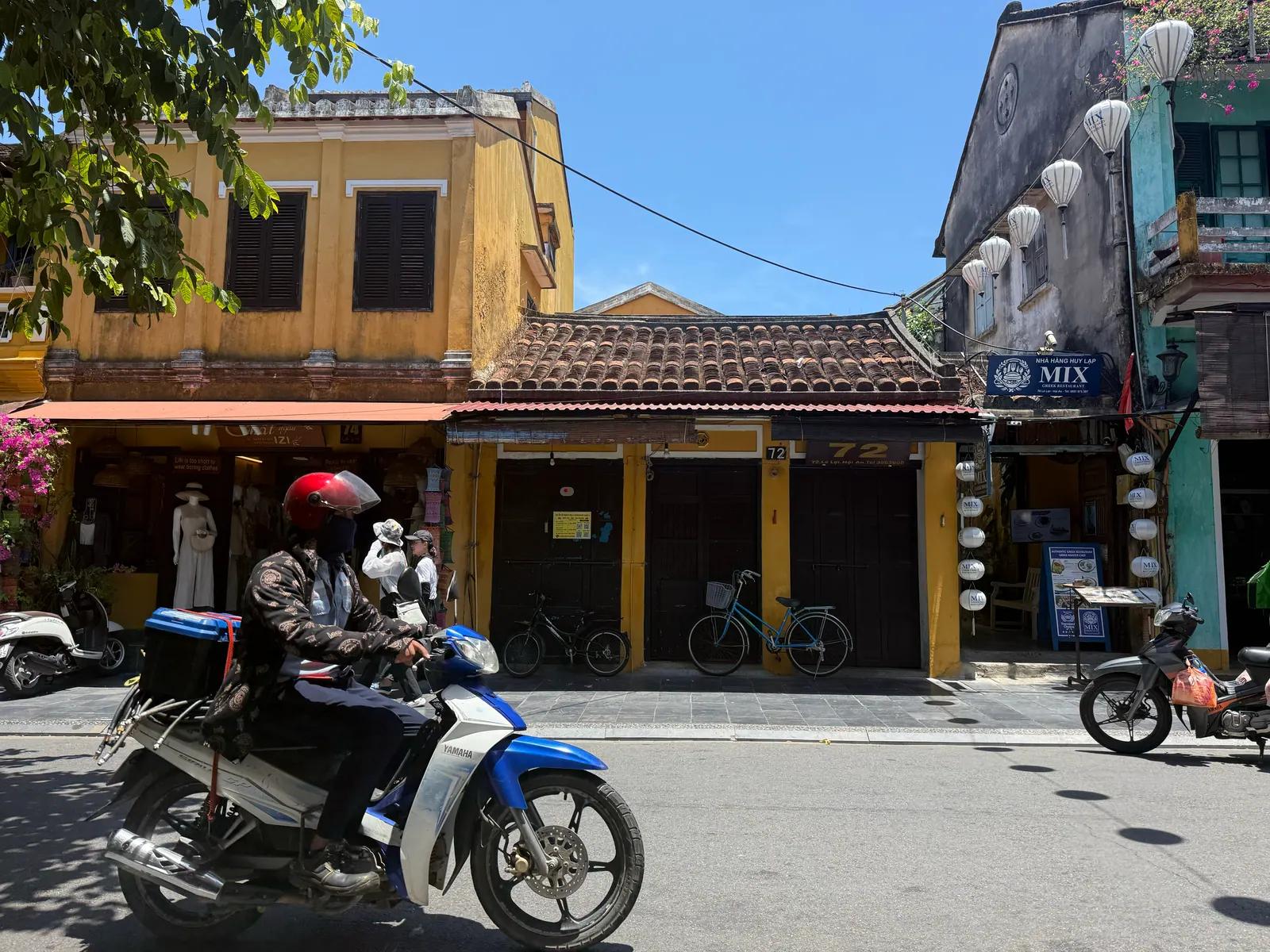
Hoi An Weather: Dry Season vs. Rainy Season
Hoi An has two main seasons, but each part of the year feels quite different.
Dry Season: February to August
The dry season generally begins in February and continues through August.
February to April is usually the most comfortable part of this period. May to August becomes progressively hotter, with plenty of sunshine and good conditions for beach activities.
For sightseeing, early mornings and late afternoons are especially pleasant during the hotter months.
If you are planning to cycle around the countryside, I recommend starting early rather than riding in the middle of the day.
Rainy Season: September to January
The rainy season generally begins around September and continues into January.
September can still have plenty of good travel days, but rainfall becomes more frequent. October and November are usually the wettest months and can bring periods of flooding in Hoi An.
Vietnam Tourism specifically notes that September to November can bring heavy rain and flooding, while the cooler months toward the end of the year can be cloudy and wet.
Rain does not necessarily mean your whole holiday will be washed out. Some rainy days have short, intense showers followed by clearer periods.
But if you are planning several outdoor activities, it is wise to keep some flexibility in your itinerary.
Hoi An Weather by Month
Understanding Hoi An weather by month can help you choose the right time based on your travel style.
Hoi An in January
January is one of the cooler months in Hoi An.
You may experience cloudy skies, occasional rain and cooler evenings. It is still possible to enjoy walking around the Ancient Town, especially when the weather is dry.
Best for: Walking, culture, food and quieter sightseeing.
What to bring: A light jacket, comfortable shoes and a compact rain jacket.
Hoi An in February
February is when the weather generally starts becoming warmer and drier.
It can be an excellent month for exploring the Ancient Town and countryside without the intense heat of summer.
Depending on the year, Vietnamese Lunar New Year may also fall in January or February, bringing special cultural activities but also changes in opening hours and local travel patterns.
Best for: Ancient Town, culture, photography and countryside.
Hoi An in March
March is one of my favorite months for Hoi An.
The weather is usually comfortable for walking and cycling, and the countryside can look especially fresh and green.
Vietnam Tourism also describes March as an excellent time to see Hoi An, when gardens, fields and streets are full of greenery and flowers.
For first-time visitors, March offers a particularly good balance between weather and outdoor activities.
Best for: Ancient Town, countryside cycling, photography, food tours and day trips.

Hoi An in April
April is another excellent month to visit.
Days become warmer and sunnier, but conditions are generally still comfortable for sightseeing.
It is a particularly good time for combining different experiences in one trip:
- Ancient Town walking
- Countryside cycling
- Tra Que Village
- Local food
- My Son Sanctuary
- Beach time
For travelers who want to experience several sides of Hoi An, April is one of the strongest choices.
Best for: Almost everything.
Hoi An in May
May marks the beginning of the hotter part of the year.
Sunny days are common, but temperatures can become uncomfortable around midday.
The good news is that the warmer weather is excellent for the beach.
A simple local strategy is to explore early, take a break during the hottest part of the day, and return to the Old Town in the late afternoon.
Best for: Beach trips, early-morning sightseeing and evening activities.
Hoi An in June
June is hot and generally sunny.
If you enjoy swimming and beach activities, this can be a good month.
For walking tours, however, timing becomes important. Early morning or late afternoon is usually more comfortable than midday.
Best for: Beaches, swimming and evening walks.
Hoi An in July
July is one of the hottest months.
The weather can be excellent for the beach, but cycling or walking for several hours in the middle of the day may feel tiring.
If you visit in July, drink plenty of water, use sun protection and plan outdoor activities around the heat.
Best for: Beach holidays and early-morning countryside experiences.
Hoi An in August
August remains hot, but the weather can begin becoming more changeable as the wetter season approaches.
It can still be a good month for beaches and outdoor activities, but travelers should keep an eye on the forecast.
Best for: Beach time, photography and flexible itineraries.
Hoi An in September
September is the beginning of the wetter period.
You can still have beautiful sunny days, but rainfall becomes more frequent and weather conditions become less predictable.
If you travel during September, I recommend having a flexible itinerary.
For example, schedule outdoor activities on the clearest forecast day and keep indoor cultural experiences available as a backup.
Best for: Travelers who prefer fewer crowds and do not mind changing plans.
Hoi An in October
October is one of the wettest months in Hoi An.
Heavy rain can occur, and flooding becomes a real possibility, particularly during periods of prolonged rainfall.
This does not mean every day will be rainy, but travelers should be prepared for changes to outdoor plans.
If your priority is sunshine, beaches and cycling, I would choose another month.
Best for: Flexible travelers, photography during atmospheric weather and cultural experiences.
Hoi An in November
November is another very wet month.
Flooding can occur when heavy rainfall combines with high river levels.
For this reason, travelers planning a November trip should monitor weather conditions closely and choose accommodation and transportation with flexibility in mind.
If you are visiting during this period, ask your hotel or local guide about current conditions rather than relying only on an old travel article.
Best for: Flexible travelers who want a quieter Hoi An and do not mind rain.
Hoi An in December
December is cooler and can still be rainy, although the weather begins to move away from the peak of the wettest period.
The Ancient Town can feel peaceful during cloudy days, and the cooler temperatures can be comfortable for walking.
Best for: Culture, food, photography and travelers who prefer cooler weather.
Best Time to Visit Hoi An for Different Experiences
The “best” month depends on what you want to do.
Best Time to Explore Hoi An Ancient Town
For walking around the Ancient Town, February to May is a great period.
The weather is generally more comfortable, allowing you to spend several hours exploring old merchant houses, temples, markets and small streets.
If you visit during the hotter months, consider walking early in the morning and returning in the late afternoon.
Our Hoi An Ancient Town walking tour is designed around this kind of flexible Ancient Town experience, including the Japanese Covered Bridge, local market, street food, hidden temples and old houses.

Best Time for Hoi An Countryside
For cycling through rice fields and visiting local villages, March and April are particularly good choices.
The countryside is one of my favorite parts of Hoi An because it gives you a completely different view of the town.
Instead of crowded streets, you see rice paddies, gardens, rivers and small village roads.
Our private countryside tour includes cycling through rice fields, visiting Tra Que vegetable village, a basket boat ride, traditional crafts and lunch with a local family.

Best Time for Hoi An Beaches
If you want to combine Hoi An with a beach holiday, May to August is generally a good period.
An Bang and Cua Dai are easy to reach from the Ancient Town.
The trade-off is the heat.
For the most comfortable experience, visit the beach in the morning or late afternoon rather than during the strongest midday sun.
Best Time for Food Tours
Food is one of the easiest Hoi An experiences to enjoy in different seasons.
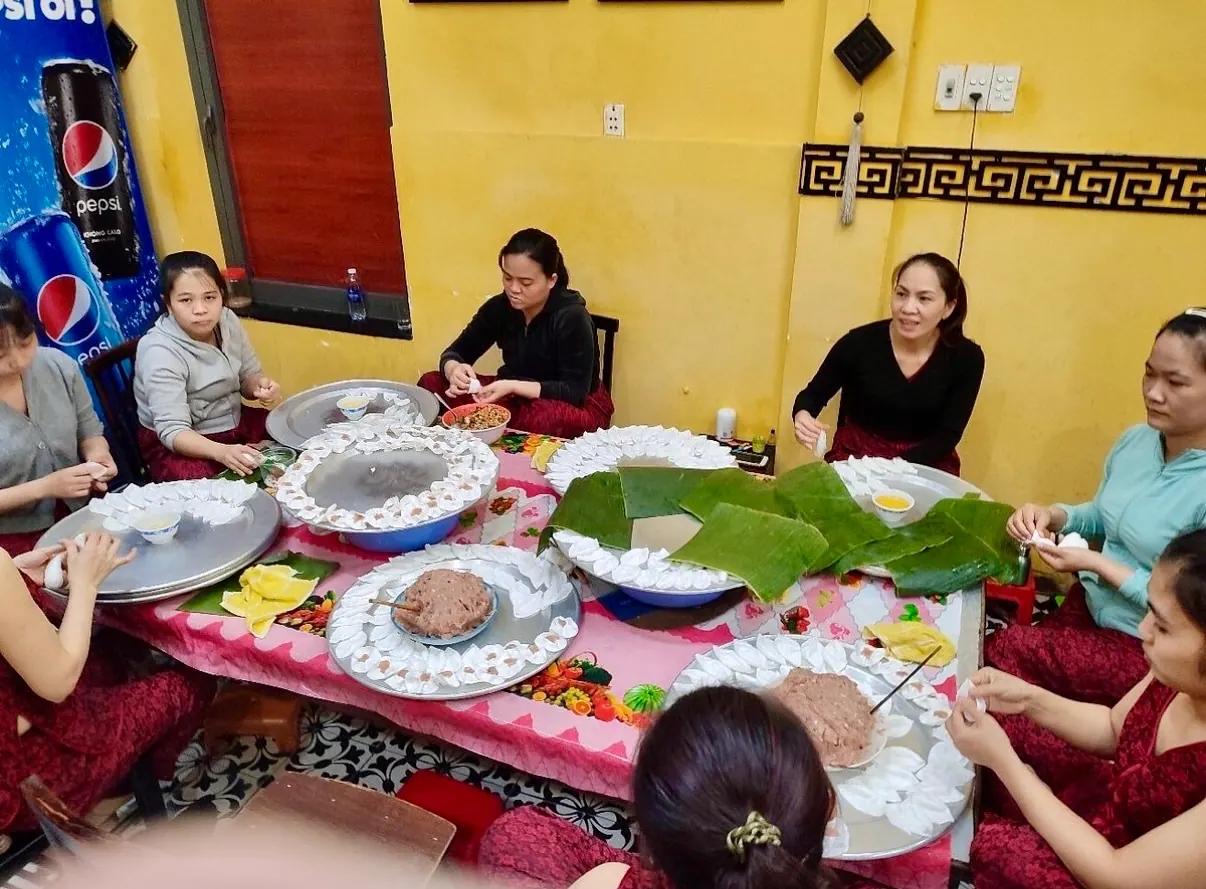
A little rain does not stop you from eating cao lau, banh mi, white rose dumplings or local snacks.
In fact, rainy evenings can create a completely different atmosphere in the Old Town.
For food lovers, I would focus less on finding a “perfect” month and more on choosing a comfortable time of day.
Our evening street food tour starts as the heat drops, which makes it an easy choice in any season.
Best Time for Photography
For photography, March and April are excellent choices because of the comfortable weather, greenery and outdoor light.
But every season gives Hoi An a different appearance.
Sunny weather gives you bright yellow walls, colorful lanterns and green countryside.
Rain creates reflections on the old streets and can make the lanterns look even more dramatic at night.
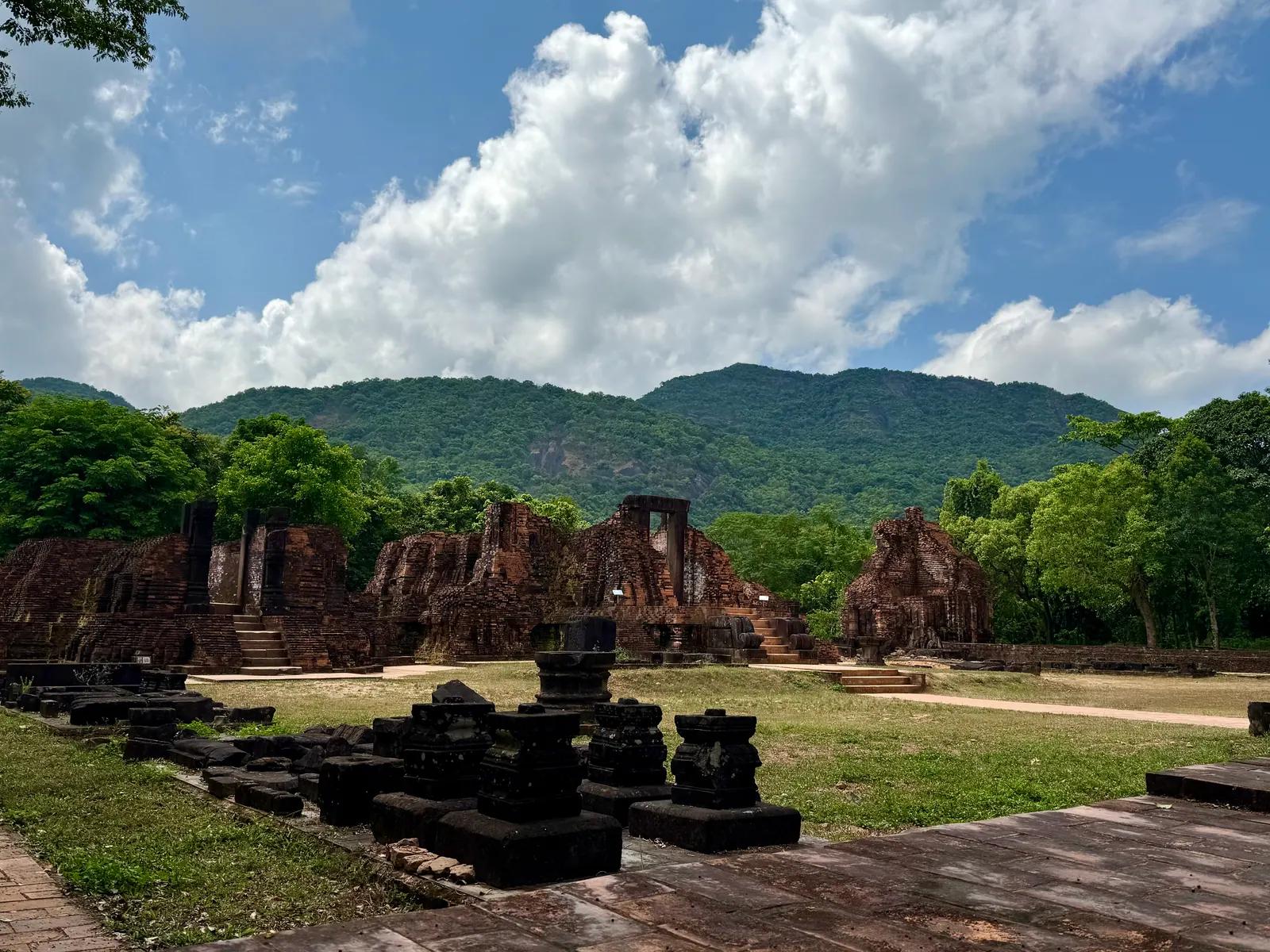
Best Time for a My Son Sanctuary Day Trip
If you plan to visit My Son Sanctuary from Hoi An, the cooler and drier months are generally more comfortable.
February to April is a particularly good period for combining the temple complex with other outdoor activities.
Starting early is also useful because My Son can become hot during the middle of the day.
When Is the Hoi An Lantern Festival?
One of the most famous experiences in Hoi An is seeing the Ancient Town illuminated by lanterns.
The monthly lantern night follows the lunar calendar, so the date changes each month in the Gregorian calendar.
If the lantern festival is one of the main reasons for your trip, check the lunar date before booking your hotel and flights.
But there is an important point:
You do not have to visit Hoi An only on the official full moon festival to enjoy lanterns.
Lanterns are part of Hoi An’s identity throughout the year, especially after sunset.
If you want a particularly atmospheric evening, combine an Old Town walk with local food and a lantern-lit boat ride on the river.

Tet (Lunar New Year) in Hoi An: What to Expect
Tet is the biggest holiday of the Vietnamese year. It follows the lunar calendar, so it lands somewhere between late January and mid-February. The next two fall on:
- Tet 2027: Saturday, 6 February 2027
- Tet 2028: Wednesday, 26 January 2028
The official public holiday usually runs for about a week around that date, and for many families the celebrations start well before it.
What changes in Hoi An during Tet
- The week before is the busiest. Markets fill with peach blossom, kumquat trees and yellow chrysanthemums, and the Ancient Town is hung with red flags and extra lanterns. Buses, trains and flights fill up as people travel home, and some hotels charge holiday rates.
- New Year's Eve is family time. Homes and shops set out offerings, temples fill up around midnight, and there are fireworks over the Thu Bon River.
- The first three days are quiet. Many family-run restaurants, market stalls and tailors close so their owners can visit relatives. Some reopen on the fourth or fifth day, others later.
- The town does not shut down. Hotels, larger restaurants and cafés in the Ancient Town usually stay open, and the streets are full of Vietnamese families out in their best clothes.
We wrote about how one Hoi An family spends the night itself in Lunar New Year's Eve rituals through a local's lens.
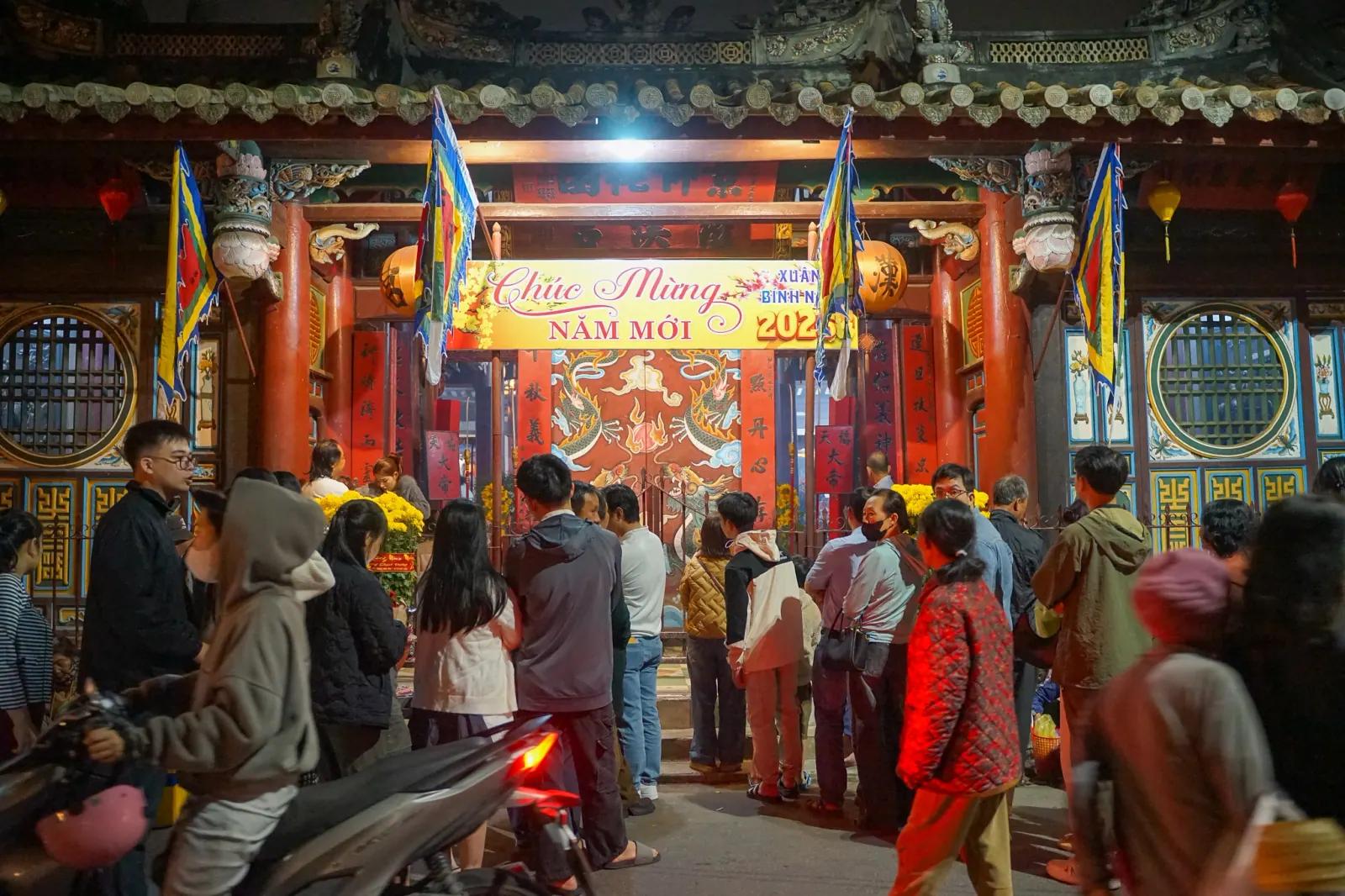
Should you visit Hoi An during Tet?
Yes, if you want to see Hoi An at its most traditional and you plan around the closures. It is a less good choice if your trip depends on a particular tailor, cooking class or family restaurant.
- Book transport and hotels early, especially for the days just before Tet.
- Check that the restaurants and experiences you want will be open on your dates.
- Carry some cash, since smaller shops that do open may not take cards.
- Dress modestly and keep your voice down at temples and family altars, where people are praying for the year ahead.
Is Hoi An Worth Visiting During the Rainy Season?
Yes — but you need to understand what you are booking.
Rainy-season Hoi An can be beautiful.
The streets can be quieter. The yellow walls become darker when wet. Lantern reflections appear on the pavement, and the atmosphere can feel more intimate.
However, October and November require more caution because heavy rainfall can cause flooding.
If you are traveling during the rainy season:
- Check the weather forecast regularly.
- Keep your itinerary flexible.
- Bring waterproof shoes or sandals.
- Carry a lightweight rain jacket.
- Protect your phone and camera.
- Ask locals about current road and river conditions.
- Avoid planning every day around outdoor activities.
The important thing is not to think of rainy season as simply “bad weather.” Think of it as a different Hoi An experience.
Hoi An Flood Season: What to Know Before You Book
Flooding is part of life in Hoi An. The Ancient Town sits on the Thu Bon River close to the sea, and in most years the river rises into the lowest streets at least once.
When and where it floods
- When: usually between mid-October and mid-November, after several days of heavy rain upstream. A wet September or December can bring a flood too, and Central Vietnam's storm season runs from roughly September to November.
- Where: the riverside streets go under first — Bach Dang, Cong Nu Ngoc Hoa and the An Hoi islet across the bridge. In a bigger flood the water reaches Nguyen Thai Hoc and Tran Phu, and the lanes nearest the river are travelled by boat.
- How long: the water usually drops within a few days, and the town is used to cleaning up quickly afterwards.
How to plan a trip in October or November
- Book accommodation you can cancel or change, and ask the hotel directly whether it flooded last season.
- Stay away from the riverfront in Bach Dang and An Hoi if you want to be safe from rising water.
- Keep one or two spare days in your plan for anything that depends on the weather.
- Follow local warnings, and never walk or ride through floodwater: it hides holes, currents and loose electrical cables.
- Keep your phone charged and carry a power bank, as the power can be cut during heavy storms.
- Choose travel insurance that covers weather disruption.
Because every tour we run is private, Tom watches the forecast with you and moves a day when the river is rising. Countryside, basket boat and island trips wait for a safer day; food and culture in covered places can often still go ahead.
What Should You Pack for Hoi An?
Your packing list should depend on the season.
February – April
- Lightweight clothes
- Comfortable walking shoes
- Hat
- Sunscreen
- Light jacket for cooler evenings
May – August
- Breathable clothing
- Sunscreen
- Sunglasses
- Hat
- Reusable water bottle
- Swimwear
September – January
- Lightweight rain jacket
- Waterproof footwear
- Quick-drying clothes
- Small umbrella
- Waterproof bag for electronics
Whatever month you visit, comfortable walking shoes are important because exploring the Ancient Town often means spending several hours on foot.
What Is the Best Month to Visit Hoi An?
If you want just one answer, I would choose March.
Why?
Because March usually gives you a very good balance:
- Comfortable temperatures
- Less rain
- Green countryside
- Good walking conditions
- Good cycling conditions
- Excellent photography opportunities
- Comfortable conditions for day trips
April is also excellent, particularly if you want to combine sightseeing with the beach.
If your priority is swimming and beach time, consider May to July.
If your priority is cooler weather and quieter travel, December to February can be worth considering, as long as you are prepared for some rain.
So, When Should You Visit Hoi An?
There is no single answer for every traveler.
- For the best overall weather: March – April
- For countryside cycling: March – April
- For beaches: May – August
- For Ancient Town sightseeing: February – May
- For photography: March – April
- For quieter travel: September – January, with extra caution during the wettest months
- For lantern experiences: Check the lunar calendar, but lanterns can be enjoyed throughout the year
If this is your first visit to Hoi An and you have flexibility, March or April would be my first choices.
But whenever you come, don’t only look at the weather forecast.
Hoi An is about slowing down, walking through old streets, talking with local people, tasting food, seeing the countryside and watching the town change after sunset.
And that is something you can experience in every season.
Explore Hoi An with a Local Guide
If you want to see Hoi An beyond the main tourist streets, a local guide can help you understand the places you are visiting rather than simply taking photos of them.
At Hoi An Vibes Tours, our private experiences are designed around flexible timing and local stories.
You can explore:
- Hoi An Ancient Town with a private walking and culture tour
- Hoi An countryside by bicycle and basket boat
- My Son Sanctuary with a local guide
- Local food and hidden corners of Hoi An
Every trip can be adjusted according to the weather, your interests and your pace.
Planning your trip to Hoi An? Talk to Tom, a local licensed guide, and let us help you choose the right experience for your travel dates.
Frequently asked questions
What is the best time to visit Hoi An?+
March to May is generally one of the best periods for comfortable weather and outdoor sightseeing. March and April are especially good for walking, cycling and exploring the countryside.
What is the rainy season in Hoi An?+
Hoi An’s rainy season generally runs from September to January, with October and November typically among the wettest months.
Is March a good time to visit Hoi An?+
Yes. March is one of the most comfortable months for visiting Hoi An, especially for walking around the Ancient Town, cycling through the countryside and taking day trips.
Is Hoi An hot in summer?+
Yes. May to August can be quite hot, particularly around midday. Early mornings and late afternoons are usually more comfortable for outdoor activities.
Does Hoi An flood?+
Hoi An can experience flooding during periods of heavy rain, particularly in the wetter months. October and November generally require the most attention to weather and river conditions.
Can I visit Hoi An during the rainy season?+
Yes. You can still enjoy the Ancient Town, food, cafés and cultural experiences. However, outdoor activities may need to be rescheduled when heavy rain or flooding occurs.
When is the Hoi An Lantern Festival?+
The monthly lantern celebration follows the lunar calendar, so its Gregorian date changes from month to month. Check the lunar calendar for your travel dates.
How many days should I spend in Hoi An?+
For a first visit, 2–3 days gives you enough time to explore the Ancient Town, enjoy local food and add a countryside or My Son experience.
What should I wear in Hoi An?+
Light, comfortable clothing is suitable for most of the year. Bring sun protection during the hotter months and rain protection during the wet season. When visiting temples and religious sites, modest clothing is recommended.
When is Tet in 2027?+
Tet falls on Saturday, 6 February 2027, and on Wednesday, 26 January 2028. In Hoi An, many family-run restaurants and shops close for the first three days, and transport is busy in the week before.
When does Hoi An usually flood?+
Most often between mid-October and mid-November. The riverside streets — Bach Dang, Cong Nu Ngoc Hoa and An Hoi — flood first, and the water usually drops within a few days.