
Travel guide
Hoi An Old Streets: Where Heritage and Everyday Life Meet

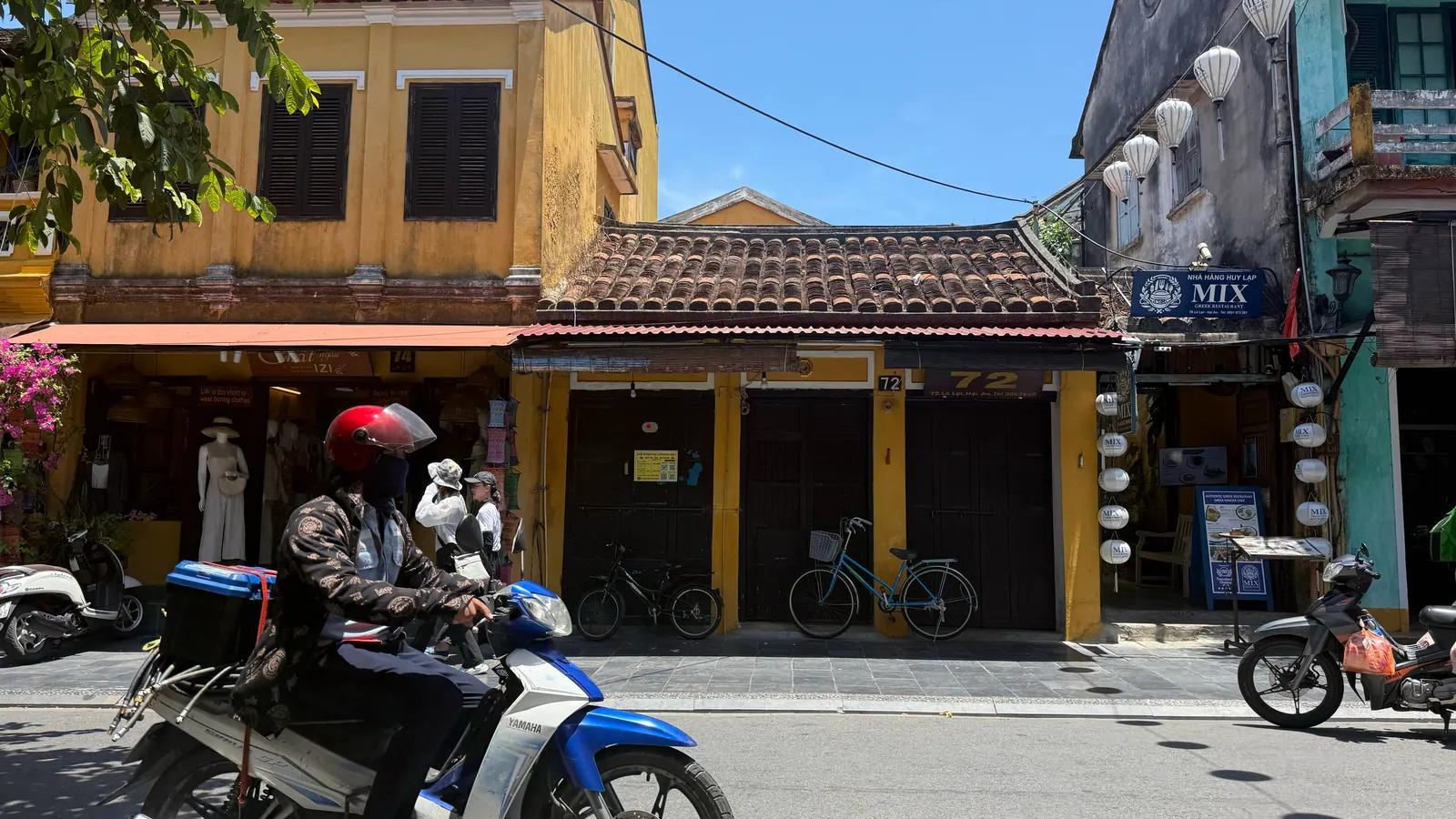
Some travelers move through Hoi An from landmark to landmark: bridge, assembly hall, old house, market and river. But the streets between those places are part of the heritage too. Wooden houses, Chinese-influenced religious buildings, small sidewalk businesses and a slower, warm atmosphere show why walking is one of the best ways to understand Hoi An. The town's history is not hidden inside one monument; it is spread across the spaces connecting them.
A Compact Commercial Environment
Houses, assembly halls, communal houses, temples, pagodas and shrines are arranged within a historic street network. Commercial and religious life existed close together.
This compact structure makes it possible to read the town on foot.
Old Wooden Houses Along the Streets
Hoi An's streets are lined with ancient wooden houses where visitors can see frames, pillars, rafters and beams stretching into the depth of the building.
The façades therefore act like entrances into a much deeper world of family and commercial life.
Chinese Influence in the Streetscape
High gates, curved ceramic roofs and colorful religious buildings show the long influence of Chinese culture. Temples, communal houses and assembly halls create visual breaks in the rows of merchant houses.
These structures remind visitors that Hoi An's commercial history was also a community and religious history.
Small Shops and Sidewalk Life
Shops along the sidewalks often have only enough space for a few chairs and tables for food, drinks or reading. This detail illustrates the close relationship between private buildings and public street life.
The street is not simply a route. It is a place to eat, talk, sell, rest and observe.
Before Mass Tourism
Tommy's memories add another layer. Before mass tourism, local livelihoods included farming, fishing, crafts, small trade and casual labor. Community and family support were central to daily life.
These memories help prevent heritage content from becoming only a story about architecture. A town is ultimately made by people.
Why Slow Walking Works Better
Hoi An is consistently described as relaxing and unhurried. Walking slowly allows visitors to notice details that disappear when the town becomes a checklist: an altar, a wooden doorway, a roofline, a vendor setting up, a family opening a shop.
These ordinary moments are where living heritage becomes visible.
Local Work Is Part of the Heritage Story
Tommy remembers a Hoi An where many families depended on farming, fishing, crafts, small trade and other forms of labor. Those livelihoods connect the Ancient Town with surrounding places such as Cam Kim, Kim Bong, Thanh Ha and Tra Que.
Including this wider context prevents the old streets from being interpreted only through wealthy merchant houses and famous monuments. Hoi An's identity also comes from workers, craftsmen, farmers, fishermen and small vendors. The preserved town center makes more sense when it is connected with the communities and skills that supported it.
Different Times of Day Reveal Different Streets
The same street can communicate different things depending on the time of day. Early morning may reveal residents opening doors, preparing shops and moving through the town before the busiest visitor period. Daylight makes architectural details easier to read. Evening brings lanterns, food and a more social atmosphere.
This is why Tommy's early-morning memories near Chua Cau are so useful. They remind us that the Ancient Town is not a fixed stage set. Its rhythm changes, and visiting at more than one time of day reveals the relationship between local routines and tourism much more clearly.
Final Thoughts
Hoi An's old streets should not be treated as empty corridors between attractions. They connect the houses, businesses, religious buildings and community activities that make the Ancient Town meaningful. The more slowly visitors move, the easier it becomes to understand how heritage and daily life continue to share the same space.
Don't just move between Hoi An's landmarks. Walk slowly, notice the details and discover the local stories that make the Ancient Town feel alive.
Frequently asked questions
Is Hoi An easy to explore on foot?+
Yes. The historic core is compact and many important houses, assembly halls and temples are located close together.
What should I notice besides famous landmarks?+
Look for wooden structures, altars, roof details, small shops, street food and ordinary local activity.
Why does Hoi An feel like a living museum?+
Because preserved buildings remain connected with shops, homes, worship and community life.
What was local life like before mass tourism?+
Many families depended on farming, fishing, crafts, small trade, casual labor and strong family and community support.
How long should I spend walking around Hoi An?+
A short visit can cover the landmarks, but a slower walk gives more time to understand how the town's spaces connect.