
Travel guide
Chinese Assembly Halls in Hoi An: More Than Beautiful Temples

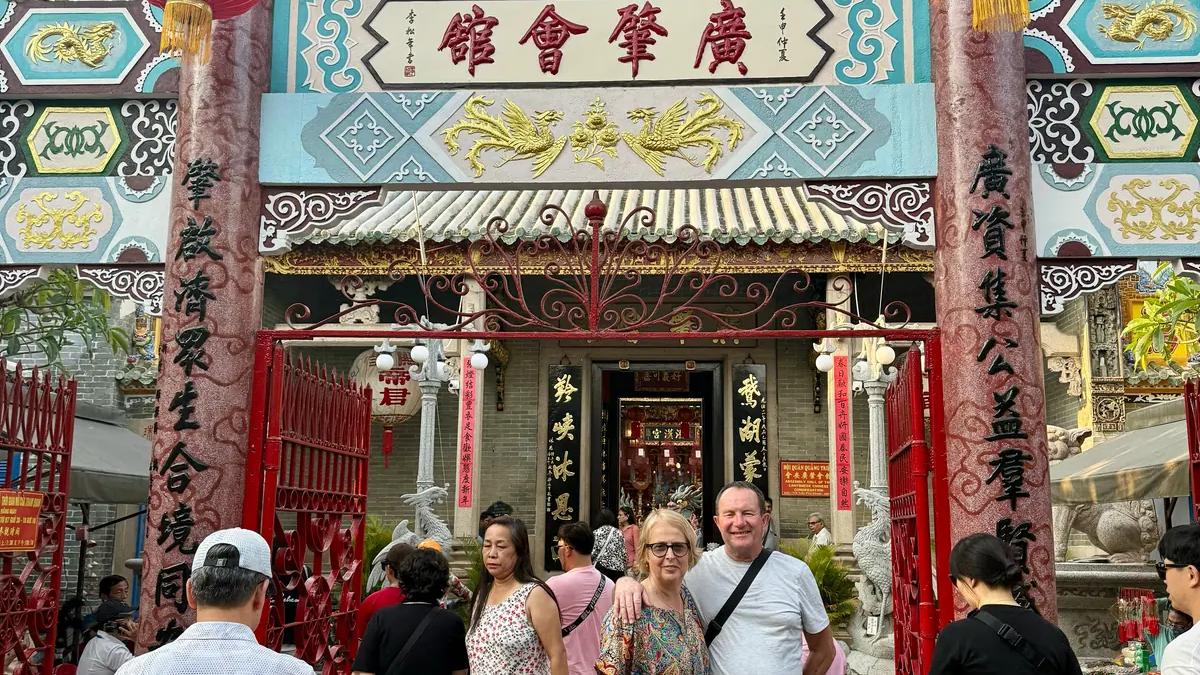
Hoi An's Chinese assembly halls are among the most colorful buildings in the Ancient Town, but their historical value goes far beyond decoration. They were places connected with Chinese merchant communities, religion, meetings and mutual assistance. In other words, an assembly hall was not only somewhere to pray. It was a social institution that helped people maintain identity, trust and community while living and trading far from their place of origin.
Why Assembly Halls Developed in Hoi An
Hoi An was a busy international trading port that attracted Chinese people to trade and live. As communities grew, people needed spaces for religious activity and social organization.
Assembly halls answered both needs. They helped merchants stay connected with people from similar backgrounds.
Quang Dong Assembly Hall
Quang Dong Assembly Hall was used for community and religious activities of the Chinese association in the old town. Its design, colors and decorative motifs are strongly Chinese in character.
It also served as a meeting place where traders and compatriots could help each other in life and business.
Quan Cong and Merchant Values
The hall is identified with Quan Cong and six associated qualities: loyalty, righteousness, faith, wisdom, benevolence and courage. These values were linked with smooth business and good fortune.
For a merchant community, this symbolism makes sense. Trade depends on relationships, reputation and trust.
Phuc Kien Assembly Hall and Maritime Belief
Phuc Kien Assembly Hall preserves a migration and sea-protection story. It describes a community journeying toward Southeast Asia while carrying a wooden Holy Mother image and believing she protected them from danger at sea.
This is best understood as a traditional community narrative, but it clearly explains why maritime protection became an important spiritual theme.
Architecture as Community Identity
Assembly halls have main halls, courtyards, rear sanctuaries, hanging incense and religious figures. These spaces were designed not only for visual impact but also for ceremony, worship and gathering.
Chinese architectural influence therefore became part of the wider urban landscape of Hoi An.
A Local Connection
For Tommy, the assembly halls are also connected with family memory, because he and his grandfather took part in conservation-related activities involving the Fujian and Cantonese halls.
That first-hand connection matters because it shows these buildings are part of local community memory as well as tourism.
How to Visit an Assembly Hall Respectfully
Because these sites continue to have religious meaning, visitors should experience them differently from a purely decorative monument. Move slowly, give people space when they are praying and avoid blocking altars or ceremonial areas for photographs. Look at incense, offerings and inscriptions as signs of continuing practice rather than simply visual props.
It also helps to keep the human needs behind the building in mind: protection, trust, family, prosperity and community connection. Those themes make the hall understandable even to visitors who know little about Chinese religious traditions.
What Visual Clues Reveal the Community Function
A visitor can often identify the special role of an assembly hall by looking at how the building is organized. Large gates announce a community institution rather than a private home. Courtyards create space for movement and gathering. Main halls focus attention on important deities, while side or rear areas may serve additional forms of worship. Decorative motifs communicate identity and belief.
These features help explain why an assembly hall should not be reduced to the word 'temple.' Worship was central, but the halls also hosted meetings, compatriot gatherings and mutual support. The architecture supported a community that needed both spiritual and social space.
Final Thoughts
Hoi An's assembly halls help explain what an international trading town needed beyond docks and shops. Communities needed religious protection, trusted networks, cultural identity and places to gather. Once visitors understand these functions, the buildings become more than ornate temples. They become evidence of how migrant merchant communities built social life in Hoi An.
Discover the stories behind Hoi An's assembly halls and see how trade, migration, belief and mutual support shaped the Ancient Town.
Frequently asked questions
Why are there Chinese assembly halls in Hoi An?+
They developed in connection with Chinese merchant communities who traded and lived in the town.
What was an assembly hall used for?+
Religious worship, community meetings, social activities and mutual support in life and business.
What is Quang Dong Assembly Hall associated with?+
It is connected with Quan Cong and merchant values including loyalty, righteousness, faith, wisdom, benevolence and courage.
What is the key story at Phuc Kien Assembly Hall?+
It preserves a maritime migration and protection story connected with the Holy Mother.
Are assembly halls only religious sites?+
No. They were community spaces as well as places of worship.