
Travel guide
How an International Trading Port Created the Hoi An We See Today

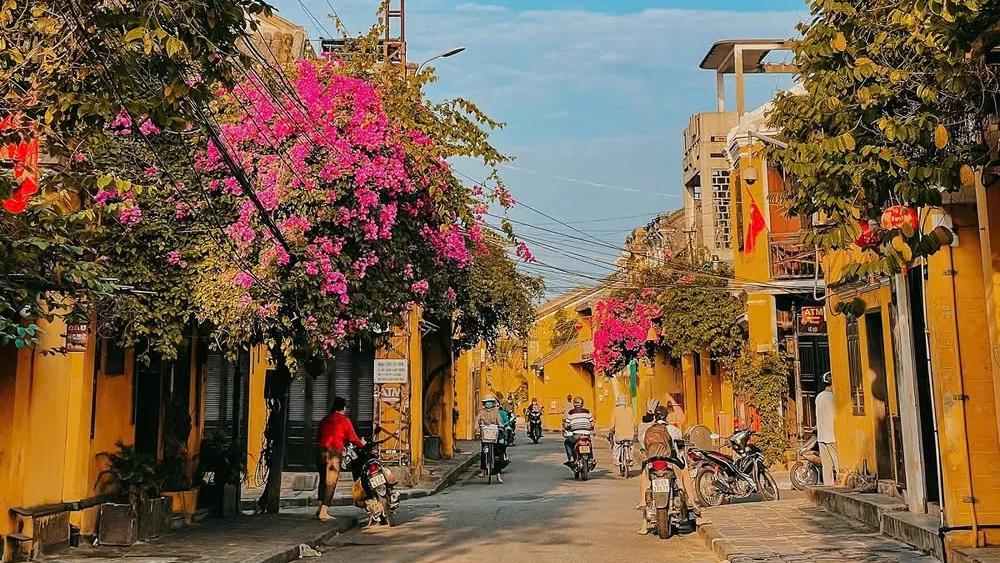
The yellow walls and lantern-lit streets of modern Hoi An have their roots in something much more practical: trade. The town grew beside a river, welcomed merchants and developed community institutions around commerce. The result was a place where business, architecture, religion and family life became closely connected. Understanding the old trading port helps explain almost everything visitors see today, from assembly halls and merchant houses to the Japanese Covered Bridge and the riverfront.
Why Geography Mattered
Hoi An sits beside the Thu Bon River. For a historic commercial town, access to water was essential. Rivers connected inland production areas with the coast and helped move goods, merchants and information.
The river should therefore be seen as historical infrastructure, not simply scenery. It helped make commercial life possible.
The Commercial Rise of Hoi An
Hoi An was one of the busiest commercial ports of Central Vietnam during the 16th and 17th centuries. Trading vessels from different countries arrived for business, and the town became a cultural crossroads.
Trade relations with Western countries grew from the late 16th century, and Hoi An ranked among the important cities that prospered as the commodity economy expanded.
Merchants Became Communities
Some foreign merchants did more than pass through. Chinese communities created assembly halls for worship, meetings and mutual assistance. Japanese commercial presence became associated with the bridge that is now one of Hoi An's main symbols.
These institutions show that trade affected social life. Merchants needed trust, religious protection, community networks and spaces where people from similar backgrounds could support one another.
Merchant Houses as Evidence of Trade
Historic houses show how commerce entered everyday life. Tan Ky Old House, for example, belonged to a family involved in agricultural products. A pulley on the upper level helped carry goods upstairs.
This makes the trading story tangible. Commerce was not an abstract activity at a distant harbor. It entered the home.
Why Da Nang Became More Important
Da Nang gradually developed into a commercial port replacing Hoi An as European shipbuilding improved and large deep-draught vessels could more easily enter Da Nang Bay.
This regional shift helps explain why Hoi An's role changed. The town did not remain the dominant port forever, but the older urban environment survived and later became a major cultural asset.
What the Trading Port Left Behind
The old trading economy no longer defines Hoi An in the same way, but its physical and cultural traces remain: merchant houses, assembly halls, Chinese religious architecture, the Japanese Covered Bridge, riverfront streets and a town plan shaped by commercial life.
The best way to understand these places is to connect each monument back to the commercial relationships that made it necessary.
How to Read the Trading Legacy Today
This method is useful because it connects every landmark to a function. Instead of memorizing isolated dates, visitors can ask what a building was used for, who needed it and how it supported commercial life. That approach turns Hoi An's trading history into something visible in the present-day town.
Visitors can still read the old commercial system through physical details. In a merchant house, look for storage areas, the relationship between the street and the interior, and features such as the pulley at Tan Ky. In an assembly hall, look for meeting spaces, altars and symbols of protection or prosperity. At the river, think about access and movement.
Trade Moved Beliefs and Social Networks Too
A commercial port is sometimes described only through ships and goods, but that picture is incomplete. Merchants needed places to pray, people they could trust, spaces to meet and networks that could help them when they were far from home. This is one reason assembly halls are so important to the history of Hoi An. They make the social side of trade visible.
The same is true of religious beliefs connected with the sea. The Fujian community, for example, preserved stories about spiritual protection during dangerous voyages. Whether a particular story is historical or traditional, it shows what maritime travel meant emotionally to merchant communities. Trade created opportunity, but it also involved uncertainty and risk.
Final Thoughts
Hoi An's trading-port history explains why the town became multicultural. Goods moved through the port, but so did people, beliefs and ideas. The result is a heritage town where commerce can still be read through architecture and community institutions. When the port story becomes clear, the Ancient Town stops looking like a collection of unrelated monuments and starts functioning as one complete historical system.
Walk through Hoi An with the trading-port story in mind and see how commerce shaped the town's houses, communities, beliefs and streets.
Frequently asked questions
Was Hoi An really an international trading port?+
Yes. Hoi An was a busy commercial port visited by trading ships from many countries.
When was Hoi An's trading period especially important?+
The 16th and 17th centuries were the peak, while wider commercial activity is described from the 15th to the 19th century.
Which foreign influences are most visible in Hoi An?+
Chinese and Japanese influences are particularly visible in assembly halls, religious architecture and the Japanese Covered Bridge.
Why are merchant houses important?+
They show how business and family life shared the same space, making Hoi An's trading history visible in everyday architecture.
Why did Da Nang later become more important as a port?+
Larger European vessels and the easier deep-water access of Da Nang Bay gradually shifted commercial activity away from Hoi An.