
Travel guide
Son Tra Peninsula and the Forest Behind Monkey Mountain

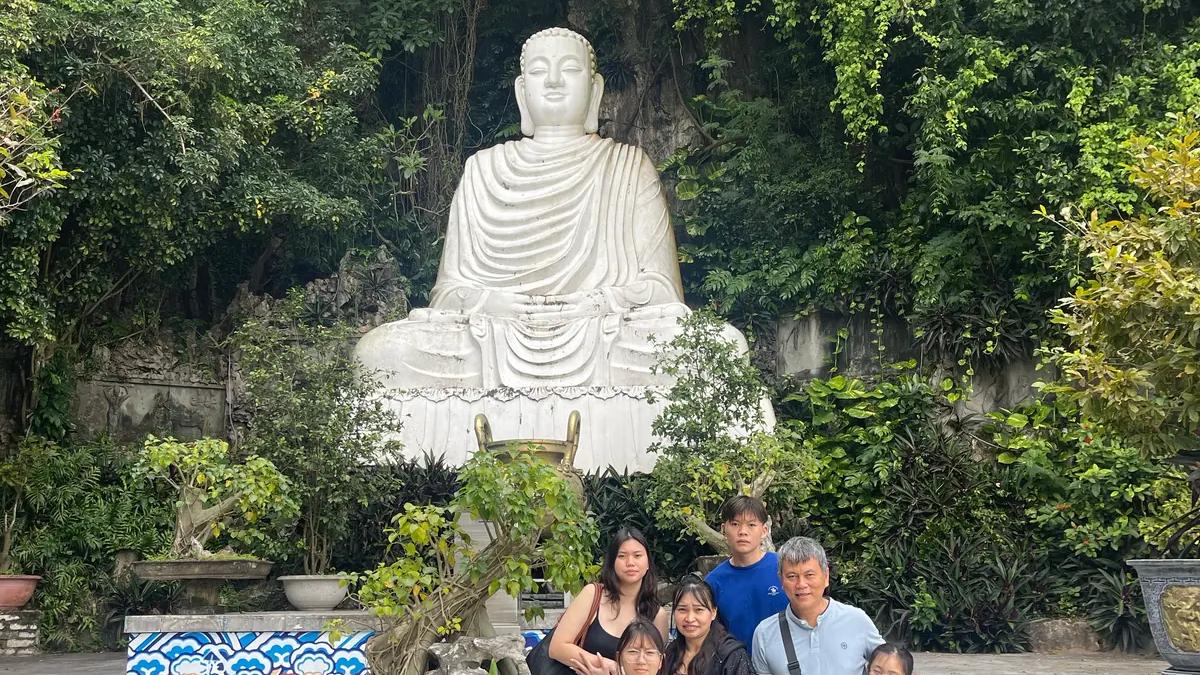
Monkey Mountain in Da Nang is a familiar name for Son Tra Peninsula, but the nickname can create the wrong expectation. This is a landscape of forest, coastal slopes and religious spaces. A meaningful visit begins with those relationships, rather than an expectation that wildlife will appear beside the road.
For a visitor arriving from the city, Son Tra offers a useful change of scale. Buildings and busy streets give way to a wooded horizon. From suitable viewpoints, the coast becomes a continuous line and the shape of Da Nang is easier to read. The peninsula makes nature feel close to urban life, while reminding us that closeness brings responsibilities.
What to understand before going
Son Tra has ecological importance as habitat for the red-shanked douc langur, known in Vietnamese as vooc cha va chan nau. It is not simply another name for the monkeys that some visitors may encounter around roads or visitor areas. Different animals have different habits, and the possibility of seeing one should never become a guarantee.
For a general visit, enjoy the scenery and understand the conservation story. A specialist wildlife outing is a separate activity that requires an appropriate guide, permitted access and patient observation. Treating it as a quick addition to a temple stop can disappoint visitors and disturb the place they came to appreciate.
Linh Ung Pagoda and the figure facing the sea
Linh Ung Pagoda at Bai But is one of Son Tra's best-known visitor stops. Its prominent figure of Quan The Am, often called Lady Buddha in English, faces the sea. In Buddhist practice, Quan The Am is associated with compassion, which offers a more meaningful introduction than concentrating only on the statue's size.
Look at the setting as well as the sculpture. The relationship between the mountain behind, the open water ahead and the spaces used for worship helps explain the character of the visit. A courtyard can be both a place of gathering and a place where someone is quietly practising their faith.
Da Nang has more than one pagoda named Linh Ung. When arranging transport, specify the Son Tra or Bai But location. This avoids confusing it with the pagodas at the Marble Mountains or Ba Na.
A respectful way to experience the site
Dress for a place of worship, follow posted guidance and allow worshippers room to move. Before taking photographs inside a religious space, look for restrictions and consider whether your presence interrupts someone else's visit. The same care applies when photographing monks or people praying.
You can still enjoy photography. A wider view of the courtyard, the roofs against the mountain or the coastline beyond may communicate the atmosphere more effectively than a close photograph of someone who has not agreed to it.
Choose a route that matches the day
A first visit can focus on the pagoda setting and accessible coastal viewpoints. Higher roads and other parts of the peninsula should be treated as separate route decisions. Access arrangements can vary, so confirm which areas and vehicle types are currently permitted before travelling.
Plan for heat, changing weather and the time required to return. A map can make nearby places appear easy to combine while concealing slower mountain travel. A smaller route with time to observe is often more satisfying than trying to reach every named viewpoint.
Observe animals without changing their behaviour
If wildlife appears, stay at a distance. Keep food packed away, do not feed animals and do not try to attract them for a photograph. A roadside encounter is not an invitation to approach. The goal is to leave the animal free to continue what it was doing before people arrived.
Children can enjoy this approach too. Ask them to notice the forest around the animal and think about what it needs to live there. The experience becomes an introduction to habitat rather than a performance.
Connect the peninsula to the city
After Son Tra, time on the coastal side of Da Nang can help connect the elevated view with everyday life. My Khe offers a contrasting experience at sea level, while Hai Van provides a different mountain perspective on another day.
Tell Tommy whether your priority is the pagoda, coastal scenery or a deeper nature interest. The answer helps create a realistic visit with the right amount of time and the right kind of guidance.
Frequently asked questions
Are Son Tra and Monkey Mountain the same destination?+
Monkey Mountain is a widely used visitor name for Son Tra Peninsula. Son Tra is the clearer geographical name when discussing access and specific stops.
Will I definitely see douc langurs?+
No. Wildlife sightings are uncertain. A standard sightseeing visit should not be sold as a guaranteed langur encounter.
Can I visit every road on the peninsula?+
Do not assume so. Check current access rules and permitted routes locally before setting out, particularly for higher or restricted areas.